10 Phases for Successful CRM Implementation
Table of Content
- 10 Phases of CRM Implementation
- Step 1:- Why do you need CRM software?
- Step 2:- Proper goal Definition
- Step 3:- Up-to-date documents are a must
- Step 4:- Identify the pain points
- Step 5:- Promote usage of good business practices
- Step 6:- Prepare a configuration plan
- Step 7:- Setup tasks to facilitate smooth and hassle-free data transfer
- Step 8:- Build a consensus in the company
- Step 9:- Test to obtain the best
- Step 10:- Go live
- Learn more about CRM Software
CRM implementation is essential for any company, as it directly facilitates customer satisfaction. It essentially enables a company to provide service and support to a customer in the exact way that s/he needs.
Key Takeaways:
Successful CRM implementation starts before software selection: you must clarify why you need a CRM, align it with business objectives (revenue growth, retention, pipeline visibility, service quality), and involve all key stakeholders, so the system is designed around real workflows, not generic features.
Clean, structured, and complete business data is the fuel of CRM: mapping processes, documenting customer journeys, and consolidating accurate customer, deal, and inventory information upfront prevents “garbage-in, garbage-out” and avoids migration failures later.
Identifying organizational pain points—like lost leads, poor follow-ups, siloed data, or weak reporting—is essential to configuring CRM properly; the tool should be set up explicitly to remove bottlenecks, not just to replicate old habits in a new interface.
CRM success is as much about people and process as technology: promoting good data-entry practices, training users, building company-wide consensus, and managing change thoughtfully are what drive adoption, consistent usage, and long-term ROI.
Go-live is not the finish line but the start of an optimization loop: thorough testing, incremental rollout, continuous monitoring of performance, and feedback-driven tweaks turn the CRM from a “system of record” into a strategic growth asset.
What is CRM?

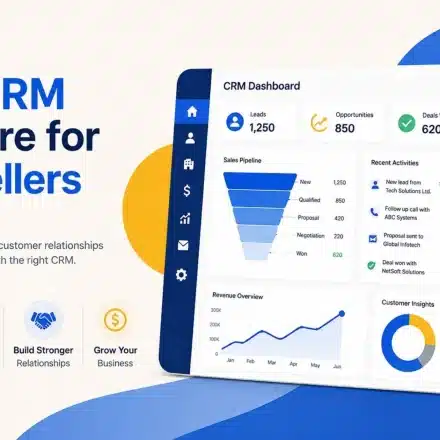
Customer relationship management software, commonly known as CRM software, is used to track the interactions of a company with the customers. It uses an automation platform for marketing, sales, customer support as well as contact management of the company. Thus, it is useful in improving the quality of business operations at all level.
Implementation of CRM is directly responsible for improving the Return on Investment (ROI) of a company, which is one of the most important statistics that companies have to track constantly. Essentially, CRM software helps in the streamlining of all the company operations as well as the processes. Also, CRM can be accessed from any device, be it desktop, laptop, mobile phones or tablets. It guarantees the same seamless experience from any platform. This is one of the most useful features of CRM.
Planning to get CRM for your organization? You need to know the various significant phases of CRM implementation to give you an idea about how it works and helps you.

10 Phases of CRM Implementation
Here are some of the steps that can be followed while implementing a CRM system.
Step 1:- Why do you need CRM software?
This is the basic question that needs to be answered prior to implementing the CRM software. Proper answering of this question and charting down the needs helps to reduce future wastage of time as well as resources. Firstly, the needs of the business should be identified and then proper CRM software should be searched that properly addresses the company’s needs. Activities such as company-wide discussions should be undertaken to identify the exact needs of each and every stakeholder of the company. Such exercise is necessary to make a positive impact on each and every employee of the company.
Step 2:- Proper goal Definition
Whether you need to increase your revenue or need to focus more on customer retention and bringing back the old customer, each company has varying goals. Therefore, proper analyzing the goals as well as prioritizing them based on companies’ mission and objectives is a necessity prior to CRM implementation. This will help to implement the CRM in a more organized manner. If at the beginning itself, goals are defined properly, then it becomes easier to achieve them later on through CRM.
Step 3:- Up-to-date documents are a must
Gather all the necessary documents pertaining to the business that might be necessary for the successful implementation of CRM software. One needs to define the flow of business if one has to decide which documents are required for the successful implementation of CRM. These documents may include those which have information regarding the loyal customers, strategic initiatives undertaken by the company, future plans and stock information, etc.
Step 4:- Identify the pain points
There are always some pain points, some weak links that hinder the growth of an organization and restrain it from achieving its objectives. These links should be identified so as to enable the CRM platform to work on these issues and sort them out. Such identification can be outsourced to a third party CRM consultant to achieve the best results or can be done in-house.
Step 5:- Promote usage of good business practices
A flawed output is the result of bad input, this is common sense. A CRM system is beneficial to a company only when it receives proper input. Hence, to avoid any input of wrong information a company should promote the usage of good business practices for its employees. This can be done by issuing guidelines, advisories and by giving proper training.
Step 6:- Prepare a configuration plan
This plan should be drafted solely on the business operations so as to avoid any deviation with respect to CRM implementation. The plan should cover all the necessary information regarding the business processes and data which need to be rerouted to the CRM software once it is installed. Considering the objective requirement of each and every business the configuration plan should be so constructed that it increases operational efficiency as well as boosts revenue growth.
Pro Tip:
Design a CRM “configuration blueprint” first, clicks later. Document key workflows (lead → opportunity → quote → order → renewal), field requirements, approval rules, and reports on paper or a whiteboard before touching the tool. This avoids messy rework and keeps the implementation aligned with business outcomes, not vendor defaults.
Step 7:- Setup tasks to facilitate smooth and hassle-free data transfer
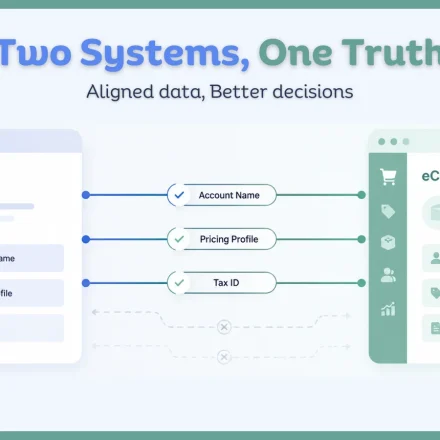
The most crucial phase, any problem at this step will cost the company a good chunk of money. Proper time and efforts need to be put at this step to maintain high accuracy and smooth data transfer. The objectives of this step should be communicated clearly leaving no room for ambiguity.
Step 8:- Build a consensus in the company
Solicit the involvement of each and every employee in the company. Let everyone know where they are heading and the benefits of reaching the destination. Let all ships sail in the same direction. This has to be done as employees have to leave behind their old style of functioning and have to adapt to new CRM procedures.
Pro Tip:
Tie adoption to visible quick wins. Identify 2–3 high-impact use cases (e.g., automated follow-up tasks, single customer view, standardized deal pipeline) and showcase early results to users and leadership. When reps see faster follow-ups and cleaner dashboards in week one, resistance to process change drops dramatically.
Step 9:- Test to obtain the best
Test the CRM. Check each and every nook, corner and aspect of the software. Ensure that it meets all the objectives. If not, carry out the necessary actions, course check the process and implement the better and updated version. This step is vital for the overall rectification of the platform to avoid future hassles.
Step 10:- Go live
This is the step for which so much of efforts have been invested. Once everything is ok, and you get approval from all the necessary quadrants, you should make your CRM platform live and ready to use. Motivate your employees to take part in the usage of the tool actively.
The process does not stop here. You should monitor as well as analyze the performance obtained through the platform and tweak the same if absolutely necessary. You can ask the employees to share their experience so as to motivate others. Implementation of the software in a proper, accurate and precise manner is absolutely necessary for its proper functioning.
Learn more about CRM Software
Nikhil Joshi
Nikhil is a B2B content specialist who helps SaaS and enterprise software companies bridge the gap between complex technology and human value. Specializing in the VAR and IT reseller ecosystem, he creates practical, credible content that resonates with both technical experts and executive decision-makers. By mapping industry insights to the modern buyer journey, Nikhil turns digital transformation concepts into clear, actionable stories that build trust and drive growth.Editorial Policy
Read More