Improve Quotation Efficiency With an Integrated Quoting CRM

Table of Content
Your sales rep just spent two hours building a quote. They pulled pricing from a spreadsheet, copied customer details from your CRM, waited on a manager to approve a discount, then reformatted everything before sending. By the time the quote landed in the buyer’s inbox, a competitor had already responded.
This is not a pricing problem. It is a workflow problem.
Disconnected systems force your team to do the same work twice, and every extra step adds time that your buyer is not willing to wait.
This blog explains where quoting fails, what an integrated quoting and CRM tool does, and how it improves quotation efficiency in practice.
Key Takeaways:
- Quoting delays are almost always caused by disconnected systems, not complex products
- Integrating CRM and quoting eliminates duplicate data entry and reduces manual errors
- Automated pricing rules create consistency across your team and protect margins
- Faster quotes directly improve deal velocity and win rates
- The biggest efficiency gains come from consolidating quoting, pricing, and customer data into one workflow
Signs Your Quoting Process Is Slowing You Down
Before looking at solutions, it helps to recognize where the friction actually lives.
If any of these sound familiar, your current process is likely costing you deals:
- Quotes regularly take more than a day to generate
- Reps copy-paste customer information from your CRM into a separate quoting tool or spreadsheet
- Pricing errors require frequent revisions and resends
- Discount approvals involve email chains with multiple stakeholders
- Different reps send quotes with inconsistent formatting, pricing, or terms
- You have no clear visibility into the quote status once it leaves your team
Pro Tip:
Standardize a pricing template and set clear discount thresholds in writing. Even a shared document with approved pricing tiers reduces back-and-forth significantly. It is a patch, not a fix, but it buys clarity while you evaluate better options.
What is an Integrated Quoting and CRM tool?

A CRM (Customer Relationship Management) tool manages your customer data, contact history, pipeline stages, and deal records. A CPQ (Configure, Price, Quote) tool handles product configuration, pricing logic, and quote generation.
When these two systems are integrated, they share data in real time.
A rep opens a deal in the CRM, and the quoting tool auto-fills the customer details, pulls the correct pricing tier, applies any pre-approved discounts, and generates a formatted quote, all without leaving the platform.
The result is a single workflow where customer context and quoting capability sit in the same place.
Why Traditional Quoting Breaks Down
Most quoting issues are common across B2B teams and are often rooted in outdated processes and disconnected systems.
This is the reality most sales teams operate in today. Sales teams spend approximately two-thirds of their time on activities that do not add value.
Traditional quoting methods may still function at a basic level, but they fail under the demands of modern B2B sales.
If your process checks most of these boxes, it is likely slowing down your deals.
Speed and responsiveness
- Manual processes delay quote turnaround from minutes to days
- Slow responses increase sales cycle length and reduce win probability
Accuracy and consistency
- Manual data entry leads to pricing and configuration errors
- Lack of version control results in inconsistent quotes and outdated terms
- Errors require rework and impact margins
Handling complexity
- Cannot support complex product configurations or bundled offerings
- Struggles with tiered pricing, volume discounts, and custom pricing models
Internal workflows and approvals
- Requires coordination across sales, finance, and engineering
- Email-based approvals create bottlenecks and delays
- Sales reps spend time chasing inputs instead of progressing deals
System fragmentation
- Customer, pricing, and product data exist across disconnected tools
- Repeated data entry across systems increases dependency on manual processes
Buyer experience
- Buyers have no visibility into the quote status
- Process does not support fast, digital-first buying expectations
In competitive deals, slow quotes lose to faster ones regardless of price.
How Integration Improves Quotation Efficiency

A structured quoting workflow ensures that every step, from configuration to approval, follows a consistent process.
Eliminates Duplicate Data Entry
Customer and deal data flow directly from CRM to the quote, removing the need to re-enter information across systems. This reduces manual effort and eliminates errors caused by copy-paste workflows.
Speeds Up Quote Generation
Pre-built templates and guided workflows allow reps to create quotes in a single session. Instead of coordinating across tools, quotes are generated quickly with minimal back-and-forth.
Improves Accuracy and Consistency
Rules-based configuration ensures valid product combinations and complete quotes. Missing components, incorrect configurations, and inconsistent formatting are prevented at the source.
Strengthens Pricing Control
Pricing rules enforce discounts, tiers, and margin thresholds automatically. Exceptions follow structured approval workflows, ensuring control without slowing down the process.
Enables Real-Time Collaboration
Teams work on a shared quote record, with updates visible instantly. This removes version confusion and reduces delays caused by misaligned communication.
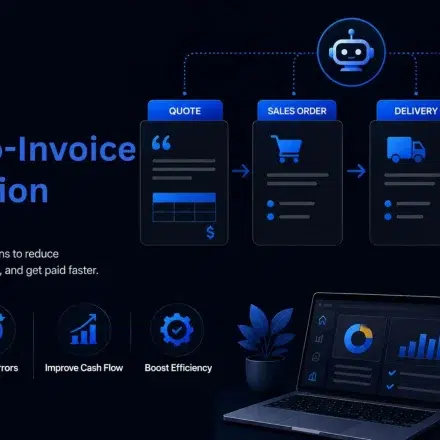
Accelerates the Quote-to-Cash Cycle
Approved quotes move directly into order processing and invoicing systems. This eliminates downstream delays and ensures faster conversion from quote to revenue.
Centralizes Data for Better Decisions
Quote data is stored in a single system, making it easier to track performance, analyze trends, and generate reports without manual consolidation.
Improves Sales Productivity at Scale
With less time spent on administrative tasks, sales teams can focus on customer interactions and deal progression. The process remains consistent even as the team or product catalog grows.
Tools like VARStreet sales quoting software bring quoting, pricing, and customer data into a single workflow, allowing teams to generate accurate quotes without switching systems.
Traditional Quoting vs. Integrated Quoting CRM
| Process Step | Traditional Quoting | Integrated Quoting CRM |
|---|---|---|
| Customer data entry | Manual, copied from CRM | Auto-filled from CRM |
| Pricing source | Spreadsheet or price list | Rule-based, live pricing |
| Discount approvals | Email chains | Automated routing workflows |
| Quote turnaround | Hours to days | Minutes |
| Error rate | High (manual input) | Low (validated by rules) |
| Reporting | Manual consolidation | Built-in analytics |
Impact on Sales Performance
Faster and more accurate quotes improve efficiency and have a measurable impact on revenue outcomes.
| Metric | Typical Improvement | What It Means in Practice |
|---|---|---|
| Sales cycle length | Up to 40% shorter | Quotes move faster from creation to closure |
| Sales productivity | Up to 30% increase | More time spent selling, less on admin work |
| Quote productivity | Up to 33% increase | More quotes generated per sales rep |
| Target achievement | Up to 49% improvement | Higher likelihood of hitting sales goals |
| Error rates | Up to 95% reduction | Fewer pricing and configuration mistakes |
| Quote-to-order conversion | 10–20% improvement | More quotes successfully turn into deals |
Buyers who receive accurate quotes quickly are more likely to move forward. Buyers who wait or receive quotes with errors shop elsewhere.
Ready to Improve Your Quoting Process?
Quoting inefficiency is rarely caused by a single broken step. Typically, quoting inefficiency arises from processes that span multiple tools, with customer data, pricing, and approvals managed separately. This fragmentation leads to delays, errors, and unnecessary back-and-forth.
An integrated quoting and CRM system brings these steps into a single workflow. Quotes are created faster, pricing is applied consistently, and approvals move without friction. The result is a more reliable process that supports faster deal progression and fewer mistakes.
If your team is spending more time building quotes than moving deals forward, it may be time to review how your current systems are connected.
Book a demo with VARStreet to see how an integrated quoting workflow can simplify and speed up your sales cycle.
FAQs
What is the difference between CPQ and CRM?
A CRM manages customer relationships, contact data, and pipeline tracking. A CPQ tool handles product configuration, pricing rules, and quote generation. When integrated, they share data so quotes are built using live customer and pricing information without manual transfer.
How does an integrated quoting CRM improve efficiency?
It removes the manual steps between capturing a customer’s need and delivering an accurate quote. Data flows automatically between systems, pricing rules eliminate lookup work, and approval workflows replace email chains.
Can small sales teams benefit from quoting automation?
Yes. Smaller teams often see faster gains because they have fewer resources to absorb inefficiencies. Even a two-person team benefits from consistent pricing and faster turnaround.
Does integration reduce pricing errors?
Significantly. Rule-based pricing means discounts, product compatibility, and margin floors are validated by the system before a quote goes out, not discovered after the fact.
How long does implementation typically take?
It varies by platform and complexity, but most mid-market deployments run between two and eight weeks. The timeline shortens when pricing rules are already documented and product data is clean.
Neha Kaku
Neha Kaku is a content writer and strategist specializing in B2B SaaS, cybersecurity, and martech. She writes blogs, website copy, landing pages, and long-form content that is built to rank, resonate, and convert. Trained in Biotechnology, she brings a structured, analytical approach to every brief, making her equally comfortable with technical depth and narrative clarity. Her work has helped brands earn top Google rankings, drive audience engagement, and communicate ideas that move the readers to the right action. Editorial Policy
Read More