Oracle PunchOut Catalog Guide: PeopleSoft, Oracle Cloud, and JD Edwards

Table of Content
Digital transformation is changing how procurement and supply chain management work in the B2B sector. Companies increasingly require seamless, automated, and secure sourcing experiences to accelerate operations and improve spend management.
For resellers, integrating eProcurement tools that support contract management, real-time pricing, and technical requirements is essential. Oracle’s procurement ecosystem, which spans PeopleSoft, Oracle Cloud Procurement, and JD Edwards, represents one of the largest concentrations of enterprise buyers in the world. Supporting Oracle PunchOut integration is often the difference between being on an approved vendor list and being passed over entirely.
Key Takeaways:
- PeopleSoft PunchOut enables buyers to access supplier catalogs directly within their enterprise procurement environment.
- PunchOut integration reduces order errors by syncing real-time product, pricing, and contract data.
- Automated PO and invoice flows streamline procurement for both suppliers and customers.
- Compliance with PeopleSoft protocols ensures smooth authentication and cart-return processes.
- PunchOut capability positions resellers for enterprise contracts that require eProcurement compatibility.
What Is Oracle PunchOut Catalog Integration?
Oracle’s procurement ecosystem covers a significant portion of enterprise buying globally. Organizations running Oracle PeopleSoft, Oracle Cloud Procurement, or JD Edwards use these platforms to control every stage of purchasing, from vendor approval and catalog browsing to order routing, compliance checks, and invoice processing.
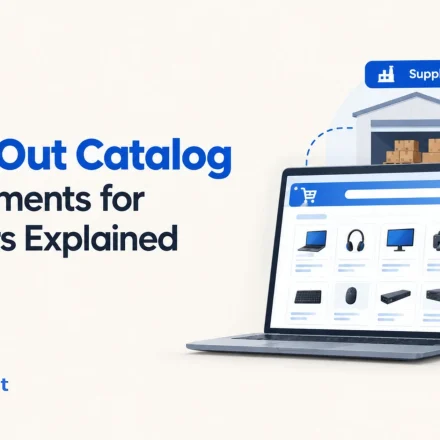
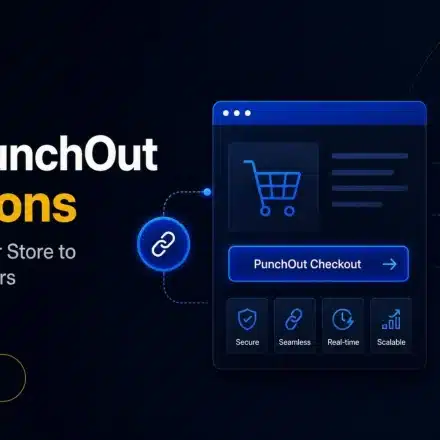
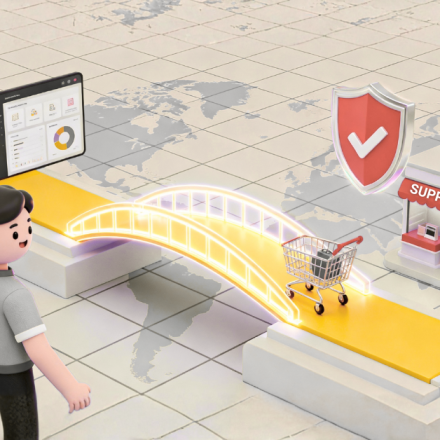
A PunchOut catalog integration connects your eCommerce store directly into that procurement environment. Instead of a buyer leaving their Oracle system to visit your website separately, logging in, placing an order, and manually transferring the details back, PunchOut handles the entire handoff automatically. The buyer punches out from Oracle, shops your live catalog with their negotiated pricing already applied, and returns their cart directly into their procurement workflow for approval.
For IT resellers, this matters for one practical reason: enterprise Oracle buyers increasingly require PunchOut support as a condition of doing business. Without it, your products may never reach the stage where a buyer can actually purchase them, regardless of how competitive your pricing or catalog is.
About Oracle PeopleSoft PunchOut Catalog
The Oracle PeopleSoft PunchOut Catalog is a specialized eProcurement tool designed to connect buyers’ procurement or ERP systems directly to a supplier’s online product catalog using secure XML and cXML protocols.
Developed by Oracle, PeopleSoft PunchOut enables organizations to maintain complete control over their sourcing and purchasing activities by allowing employees to “punch out” from the internal procurement interface and access approved vendor offerings in real time.
With this integration-
- Businesses can manage contracts, pricing, and purchase data in one place.
- Key details like support terms, invoices, and accounting records are automatically synced with their PeopleSoft system.
- This ensures compliance with procurement policies and contracts, while also streamlining approvals, invoicing, and payments across the enterprise.
Key features of Oracle PeopleSoft PunchOut
- Real-time price and product availability updates
- Compliance with existing purchasing contracts
- Seamless invoice and accounting integration
- Support for cXML and XML communication standards
- Robust technical support and implementation resources
This makes the Oracle PeopleSoft PunchOut Catalog an ideal solution for resellers and enterprises looking to automate, optimize, and secure their purchasing lifecycles in today’s digital-first business environment.
How Does Oracle PeopleSoft PunchOut Catalog Work?
Here’s a step-by-step sequence explaining how Oracle PeopleSoft PunchOut Catalog works:
- The buyer uses their Oracle PeopleSoft procurement system.
- The system connects to the supplier’s online PunchOut catalog, which is compatible with various platforms such as Microsoft Dynamics 365 and SAP’s Open Catalog Interface (OCI).
- When a buyer “punches out” of their procurement system, they are taken to the supplier’s online store.
- The buyer browses the supplier’s online catalog, selects products, and adds them to the shopping cart.
- The selected items in the shopping cart are automatically sent back to the buyer’s procurement system.
- The procurement system processes the order and sends it for financial approval.
- Following approval, a purchase order is made and forwarded to the supplier in order to finalize the transaction.

Advantages of Oracle PeopleSoft PunchOut Catalog for IT Resellers
Faster procurement cycles
Direct XML and cXML connectivity means orders, contract terms, approvals, and invoice details move in real time between systems. This shortens the buying cycle and reduces the back-and-forth that slows enterprise deals.
Centralized control
Contracts, product catalogs, and pricing across all buyers sit in one place. Resellers managing multiple enterprise accounts get a single view of purchasing activity without maintaining separate records per client.
Error-free orders
Buyers select products from the live catalog and the cart transfers automatically. No emails, no calls, no manual re-entry. This reduces ordering errors to near zero and speeds up fulfillment.
Personalized catalogs per buyer
Each buyer who punches out sees only their contract-specific products and pricing, eliminating the need to wade through non-authorized items and reducing compliance risk on the buyer’s side.
Real-time pricing and availability
Buyers always see current prices, discounts, and stock levels at the moment they browse, which removes the risk of orders being placed against outdated information.

Pro Tip:
Validate Punchout session exits to ensure accurate cart return and order creation before going live with any PeopleSoft buyer.
Oracle Cloud Procurement PunchOut Catalog
Oracle Cloud Procurement is Oracle’s modern, cloud-native procurement platform, part of the Oracle Fusion Cloud ERP suite. Unlike PeopleSoft which originated as an on-premise system, Oracle Cloud Procurement was built for the web and designed with open APIs and modern integration standards from the ground up.
What this means for IT resellers:
Oracle Cloud Procurement buyers expect a cleaner, faster PunchOut experience than older Oracle systems. The platform supports cXML natively and its modern API architecture means integrations are more straightforward to set up and maintain than legacy Oracle products. However, buyer-specific configuration still varies significantly between organizations, so testing with each customer’s environment before go-live is essential.
Key differences from PeopleSoft:
- cXML is the primary standard rather than OCI
- Modern API support reduces integration complexity
- User interface expectations are higher since Cloud Procurement buyers are used to a consumer-grade experience
- Approval workflows are more flexible and configurable per organization
What to prioritize for Oracle Cloud Procurement PunchOut?
Ensure your catalog loads quickly, search is accurate, and contract pricing appears correctly from the first session. Oracle Cloud Procurement buyers chosen this platform partly for its user experience, and a slow or confusing PunchOut catalog will generate friction that static procurement systems would not surface as quickly.
Pro Tip:
Optimize catalog taxonomy to align with Oracle Cloud Procurement’s search and categorization standards before go-live. A well-structured catalog reduces buyer support requests significantly.
Oracle JD Edwards PunchOut Catalog
JD Edwards (JDE) is another Oracle acquisition, widely used in industries like manufacturing, distribution, construction, and agriculture. Unlike PeopleSoft or Oracle Cloud Procurement, JD Edwards has a more specialized buyer base and its procurement integration requirements reflect the complexity of the industries it serves.
What this means for IT resellers?
JD Edwards buyers tend to have more complex purchasing workflows, including multi-level approvals, project-based purchasing, and industry-specific compliance requirements. PunchOut integration with JDE requires closer collaboration with the buyer’s IT team than most other Oracle products since configurations vary more between implementations.
Protocol considerations:
JD Edwards supports cXML for PunchOut integration, but the specific version and configuration requirements depend on the buyer’s JDE implementation and which modules they use. Confirming protocol version and module compatibility before starting the integration prevents the most common failure points.
Key considerations for JD Edwards PunchOut:
- Confirm which JDE modules the buyer uses before starting configuration
- Budget more time for testing than you would with Oracle Cloud Procurement
- Expect more custom field requirements from buyers in regulated industries
- Multi-level approval workflows may require additional cart configuration to pass the right data at each approval stage
Pro Tip:
Monitor PunchOut transaction logs closely during the first 30 days with any JD Edwards buyer. JDE implementations vary significantly between organizations, and usage patterns in the first month reveal configuration issues that sandbox testing alone may not surface.
Closing Thoughts
Oracle’s procurement ecosystem spans three distinct platforms, each with its own protocol preferences, buyer expectations, and integration complexity. For IT resellers, supporting all three means being equipped to serve enterprise buyers regardless of which Oracle system they use, which directly affects your ability to win and retain high-value accounts.
VARStreet has been helping IT VARs and resellers set up Oracle PunchOut integrations for over 25 years. If you are ready to get started, book a free demo today.
FAQs
What is the Oracle PeopleSoft PunchOut Catalog?
It is an eProcurement solution that connects a buyer’s PeopleSoft ERP system directly to a supplier’s online catalog for seamless, automated purchasing.
How does the PunchOut Catalog improve invoice and accounting processes?
Orders placed through the catalog are automatically recorded, generating invoices and updating accounting records without manual effort.
Can the system handle contract-based pricing?
Yes, pricing displayed to buyers is governed by previously negotiated contracts, ensuring compliance and accurate billing.
Does the system allow real-time pricing and product updates?
Absolutely. All catalog details, including price, availability, and contract terms, are updated in real time for buyers.
Can PunchOut Catalogs be customized for different clients?
Yes, resellers can tailor catalogs to specific contracts, customers, or product lines, ensuring personalized experiences.
How does PunchOut integration benefit large enterprise buyers?
Large organizations gain faster procurement cycles, central spend management, automated accounting, and consistent contract compliance, all from within their existing ERP.
Rahul Saini
Rahul Saini is a content strategist who uses writing as a tool for perspective, influence, and direction. He has built his craft around understanding how stories guide teams, shape culture, and drive meaningful business outcomes. Rahul works at the crossroads of strategy and storytelling, helping leaders articulate vision, refine ideas, and communicate with clarity and purpose. Known for his thoughtful leadership style and calm, structured approach, he turns complex themes into grounded insights that inspire action and support strong decision-making. His work combines creative thinking with strategic discipline and gives brands and leadership teams narratives that truly stand up. Editorial Policy
Read More