Table of Content
Common Hidden Costs in Sales Quotes & Proposals
The following are the major hidden costs you’ll encounter in sales quotes and proposals:
Shipping and Handling Fees
When you include shipping and handling fees at the last minute in your quote, it can leave your customers surprised. So, whether it’s standard shipping or expedited delivery, you should clearly mention them in the quote. Your customers should be fully aware of the total cost of the quote right from the start, ensuring no unexpected charges while receiving the quote.
Implementation and Setup Costs
If you are selling software products, it will require installation and onboarding. These services come under implementation fees, which must be disclosed upfront to your customers. So, any additional setup fees have to be clearly outlined in the quote to avoid any misunderstanding later.
Customization and Add-ons
Value-Added Resellers (VARs) who are charging additional payments for custom features like tailored integrations, extra functionalities, premium support, etc. should specify what’s included in the base price and what costs extra. In case you fail to specify, customers may assume that these features are included in the quote at no extra costs.
Credit Card Fees
If your VAR business passes credit card processing fees on to customers, make sure that you add them to the quote. Not being transparent about credit card fees can create a negative customer experience.
Support and Maintenance Fees
While you might provide initial support for free, it’s important to clearly communicate any future maintenance fees. For instance, many VARs charge subscription costs for continued support, or fees for upgrades and troubleshooting. So, if you have any such plans, make sure to outline them in your quote.
Taxes and Compliance Fees
Any taxes, compliance costs, or environmental fees applicable should be explicitly mentioned in the transaction document as these affect the total cost of the quote. Customers should not have to calculate these additional costs themselves.
Licensing or Subscription Renewal Fees
You have to be transparent about ongoing costs, licensing agreements, and any changes in pricing after the initial contract period. It’s essential that you communicate about renewal fees or any modifications to the terms of service well in advance.
How Hidden Costs Affect Customer Relationships?
No one likes surprises when it comes to payments. Clear, upfront pricing fosters confidence and ensures a smooth purchasing process. No wonder, when customers notice unexpected charges while reviewing your quote, they feel cheated, resulting in a loss of trust and credibility.
In fact, nearly 86% of B2B deals stall before closing, and unclear pricing is a primary culprit. When buyers encounter vague or hidden costs on a quote, their biggest complaint is a lack of information on pricing.
Transparency in the quoting process by adopting B2B sales quoting software for VARs not only helps to close more deals but also cultivates long-term relationships with your customers.
Best Practices for Transparent Sales Quotes & Proposals

Some recommended best practices for increasing the transparency of your sales quotes and proposals:
Break Down All Costs Clearly
A well-structured, itemized quote and proposal will enable your customers to know exactly what they are paying for. Keeping this in mind, you need to list individual costs such as product price, service fees, shipping, and applicable taxes explicitly in your quotes. VARStreet quoting software, the most preferred solution by IT & office supplies VARs, enables them to itemize and display all costs clearly in a quote, ensuring full transparency for their customers.
Include All Fees Upfront
Make sure every potential cost is stated in the quote, including setup charges, maintenance fees, or processing costs. Customers should not encounter additional costs after they have accepted the quote or proposal
Be Clear About Optional Features vs. Mandatory Costs
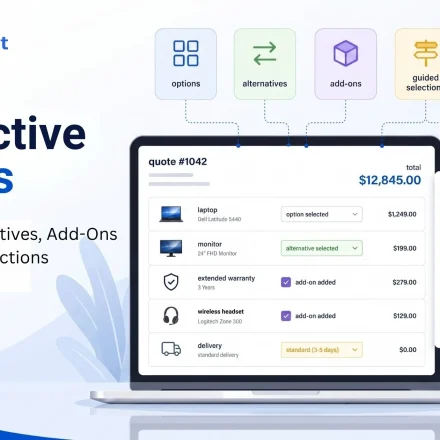
Customers should know what are the core and optional features/add-ons they are choosing. is necessary for functionality or simply an enhancement they can choose.
Offer a Pricing Calculator
A pricing calculator enables customers to estimate their total costs before making a decision. This tool helps them understand how different choices impact their final bill.
Be Honest About Future Costs
If renewals, maintenance, or upgrade fees are applicable to your transaction document, include them in the initial proposal. This ensures your customers are fully aware of all the costs beforehand and have knowledge about what they will need to pay in the future.
Use a Quoting Tool for Accuracy
Sales quoting software eliminates pricing errors and ensures consistency in your quotes. The software tool eliminates the risk of hidden costs as they are designed to provide structured quotes with an itemized breakdown of prices, including shipping charges and sales tax. VARStreet InstaQuote software that simplifies complex quoting and has a built-in CRM, ensures high accuracy by automatically calculating prices, taxes, and discounts, eliminating errors in sales quotes