Boosting Sales Through Aggregated Catalog: A Comprehensive Overview
Table of Content
A well-organized catalog in the VAR business can significantly impact sales and customer satisfaction. For Value-Added Resellers (VARs) connected to more than one distributor, managing multiple product feeds can be complex and time-consuming. This is where the aggregated catalog steps in. But what exactly is an aggregated catalog, and how can it help boost sales? Let’s find out.
Key Takeaways:
What is an Aggregated Catalog?
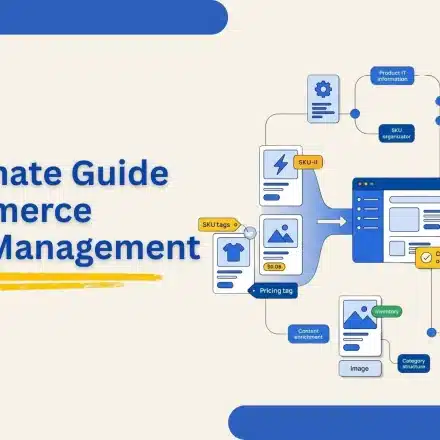
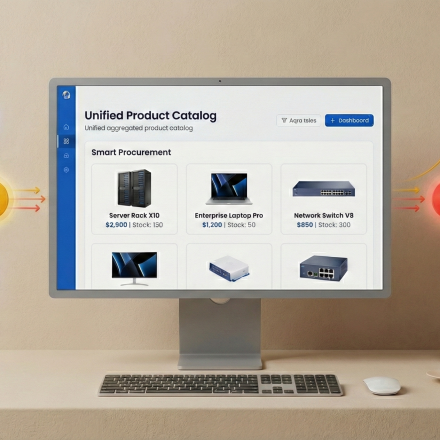
An aggregated catalog is a centralized product catalog that consolidates data from multiple distributors, making it easy to manage product information. As a value-added reseller, you don’t have to juggle multiple distributor feeds and manually update product details when using an aggregated catalog.

VARs can rely on this catalog management tool that integrates real-time data, which helps to streamline the sales and quoting process. This consolidation reduces operational inefficiencies while enabling VARs easy access to a broader range of products.
The growing reliance on such solutions is reflected in recent market trends.
The global catalog management systems market size is projected to expand at a CAGR of 10.6%, climbing from USD 1.2 billion in 2020 to USD 1.9 billion by 2026 (MarketsandMarkets).
This surge highlights the increasing need for efficient, scalable catalog management systems across industries. An aggregated catalog, therefore, is a strategic advantage that helps resellers manage business operations more efficiently.
Read the blog—–Reseller Catalog Management: The most Complex Aspect for VARs in the eCommerce Space
Key Features of an Aggregated Catalog
Product Data Consolidation from multiple distributors
An aggregated catalog collects product information such as specifications, pricing, inventory levels, and images from several distributor feeds and compiles them into a single, unified catalog. This eliminates the need to manage multiple catalogs separately and ensures sellers always have access to the most up-to-date product data from all connected suppliers.
SKU Normalization (unifying SKUs from different distributors for identical products)
Different distributors often assign different SKUs to the same product. SKU normalization maps these varying SKUs to a single master SKU, enabling consistent product identification across the catalog. This helps avoid duplication, pricing errors, and confusion during quoting or order placement.
Duplicate Elimination & Conflict Resolution
When multiple distributors offer the same product, duplication is inevitable. An aggregated catalog identifies and removes duplicates while resolving conflicts such as price variance, stock mismatch, or inconsistent product descriptions.

Search Criteria
Advanced search functionality allows users to quickly locate products within the aggregated catalog using granular filters. Sales teams and buyers can narrow results based on keyword, product category, manufacturer, pricing, distributor, or specific SKU/part number. This improves speed and accuracy in product discovery, quote building, and purchase decisions.

Integration with eCommerce & Quoting Platforms
Aggregated catalogs are designed to integrate seamlessly with eCommerce websites, CPQ (Configure-Price-Quote) tools, and sales quoting platforms. This integration ensures consistent product data across all touchpoints, enabling automated quote generation, real-time product display, and synchronized pricing and inventory on storefronts and quote templates.
Automated Feed Updates and Error Handling
Aggregated catalogs automatically import updated product feeds from connected distributors at scheduled intervals (hourly, daily, etc.). They also include mechanisms for handling errors such as failed imports, missing data fields, or formatting issues. Alerts and logs help administrators take corrective action, ensuring data accuracy and reducing downtime.
Read the blog—-VARStreet Aggregated Catalog: Your Top FAQs Answered!
How Aggregated Catalogs Help in Boosting Sales?
Product Details Available in One Place
VARs have to access up-to-date product information from multiple distributor catalogs. To overcome this challenge, VARs should use an aggregated catalog as it combines product data from various sources. This eliminates the need to browse multiple catalogs individually. With easy access to centralized product data, VARs can quickly find the items they need, leading to increased efficiency and a faster sales cycle.

Effortless Access to a Broad Product Selection from Multiple Distributors
With an aggregated catalog, VARs gain instant access to a vast selection of products from multiple distributors. This allows them to meet a wide range of customer needs without any delay. It provides a quick alternative if a product is out of stock with one distributor.
Whether a client requires IT hardware, office supplies, or specialized solutions, VARs can quickly source and offer the right products, leading to higher sales conversions.
Enhanced Product Comparison Capabilities
An aggregated catalog comes with features like side-by-side comparison of pricing from multiple distributors, enabling resellers to choose the most cost-effective supplier. This feature allows resellers to optimize their margins while offering competitive prices to their customers.
Pro Tips:
• You should create ranking rules in your aggregated catalog that prioritize distributors and SKUs based on margin, reliability, and rebate programs so your reps naturally quote the most profitable and dependable options first.
Secure the Best Deals
With the aggregated catalog, you can access discounts, rebates, and special pricing from multiple distributors within a single, centralized window. This streamlined view allows you to compare prices effortlessly, optimize sourcing decisions, and secure the best deals for your business.
Offer Bundled Solutions Efficiently
VARs have access to a vast range of complementary products from multiple distributors within a single catalog. They can quickly find and combine related products such as hardware, software, and accessories without switching between multiple distributor websites.
By bundling related products, VARs can increase the overall order value and improve sales opportunities. They can strategically bundle high-margin accessories, services, or warranties with core products, improving overall profitability.
Faster Quote Generation
An aggregated catalog integrated with VARStreet quoting software allows VARs to seamlessly add products to their sales quotes without manually browsing through multiple catalogs. They can select and add products to the quote with just a single click. This integration accelerates the quoting process, reducing the time required to generate accurate quotes for customers. Faster quoting translates to quicker deal closures and increased sales.

Streamlined Order Management and Fulfillment
Order processing can be a tedious task, especially when dealing with multiple distributors. An aggregated catalog simplifies order management by integrating with various distributor feeds and providing order status in real time.
By eliminating the need to manually check multiple distributor websites or place separate orders, VARs can process orders more efficiently, reducing errors and delays. This automation speeds up order fulfillment, ensuring that customers receive their products faster, leading to higher customer satisfaction and greater sales growth.
Reduced Operational Costs and Increased Efficiency
Managing multiple distributor catalogs requires significant time and resources. With an aggregated catalog, all product options are conveniently located in one place. This reduces operational costs associated with product management. VARs can focus more on customer engagement and sales strategies rather than spending time on administrative tasks.
About VARStreet Aggregated Catalog

Pro Tips:
• You should use search logs, no result queries, and frequently bundled items from the aggregated catalog to continuously refine taxonomy, cross sell bundles, and custom catalog entries so product discovery keeps getting faster and more aligned with how customers actually buy.
Overview & Reach
- Integrates catalogs from 50+ IT and office-supplies distributors (e.g., Ingram Micro, Tech Data, Essendant, S.P. Richards). Includes both U.S. and Canadian distributors.
- Covers a massive database of over 7 million SKUs, ready for reseller use.
- Access to product information via the aggregated catalog requires users to have an active business account with the respective distributors.
Data Integration & Updates
- Daily aggregation & normalization of distributor catalogs, standardizing taxonomy for easier product search and consistency across feeds.
- Provides daily updates of pricing and inventory, with real-time integration for select top-tier distributors.
Catalog Management & Enrichment
- Includes a universal product taxonomy, a standardized structure ensures searchable, structured catalogs across all distributors.
- Offers rich content via Etilize or IceCat (product descriptions, images, spec sheets) for enhanced catalog data.
ERP / eCommerce Integration
- Seamlessly exports aggregated catalog data (including cost and availability) into ERPs, accounting systems, and eCommerce platforms.
Custom Catalog
A custom catalog is a software application that lets businesses create and manage their own unique products or services within their catalog. It helps you offer personalized product listings and bundles, to suit your business needs.
About VARStreet Custom Catalog
Add any product or service
With the custom catalog, you can include items that are not part of distributor feeds, such as your products, services, warranties, installation, etc., directly into your catalog.
Manual or bulk upload
Items can be added individually via an entry form (Admin → Custom Catalog → New Product) or imported in bulk, depending on your preference .
Customizable SKUs and rich content
Assign your SKUs, upload images, descriptions, technical specifications, and marketing collateral. If a manufacturer part number matches with content providers (Etilize, IceCat), rich content may be auto-fetched.
Flexible organization
Use VARStreet’s existing categories/subcategories, or create your custom categories to structure items to fit your business needs.
Pricing control
Set fixed prices or let VARStreet’s pricing engine calculate selling prices based on your cost inputs.
Unified customer catalog
Both the aggregated (distributor-sourced) catalog and your custom catalog are merged into a single storefront and quoting environment, giving users one seamless buying experience.
Bundle creation and management
Combine items from either catalog, standard SKUs, or custom entries into bundles with a unique SKU, set bundle pricing, and make them available in quotes and your e-commerce store.
Quote & eCommerce integration
Items and bundles from the custom catalog can be fully integrated into sales quoting and eCommerce ordering workflows, searchable and available for customers and internal sales teams.
Total control and flexibility
Unlike aggregated distributor content, your custom catalog items can be added, edited, or removed at any time, giving you full control over which products/services are available and how they are presented.
Why does Custom Catalog matter for your VAR business operations?
- Sell unique offerings beyond standard distributor catalogs (e.g., internal services, exclusive products).
- Combine hardware and services into bundled solutions that improve margins and reduce complexity.
- Seamlessly integrate custom offerings into quotes and online stores, no separate system needed.
Conclusion
An aggregated catalog is more than just a product database. It’s a tool for VARs to enhance their operational efficiency and significantly boost their sales. Investing in an effective aggregated catalog system with multi-distributor integration and connectivity to eCommerce and quoting tools is no longer optional. It’s a necessity as it helps to streamline operations and maximize profitability.
Tired of Managing Multiple Distributor Feeds? Switch to VARStreet’s Aggregated Catalog and transform how you quote, sell, and fulfill orders. Try It Now
FAQs
What exactly is an aggregated catalog in the context of a VAR business?
An aggregated catalog is a unified platform that consolidates product data from multiple distributors into a single, centralized database. It eliminates the need to manage separate catalogs manually, saving time and improving accuracy.
How does an aggregated catalog help speed up the quoting process?
When integrated with quoting tools like VARStreet, an aggregated catalog allows VARs to quickly add products from multiple distributors into a quote with just a few clicks, reducing manual effort and enabling faster response times.
Can an aggregated catalog help if a product is out of stock from a preferred distributor?
Yes. Since it pulls data from multiple distributors, VARs can instantly find the same or similar product from an alternative source, ensuring seamless service continuity and reduced lost sales.
How does an aggregated catalog improve product comparisons?
It allows side-by-side comparison of prices, availability, and specifications from different distributors, helping VARs select the best option for cost savings and customer satisfaction.
Does using an aggregated catalog really reduce operational costs?
Absolutely. It cuts down time spent managing separate product feeds, minimizes errors in order processing, and streamlines administrative tasks—leading to reduced overhead and better resource allocation.
How can VARs use aggregated catalogs to increase their profit margins?
By comparing distributor prices in real time, VARs can select the most cost-effective options, access exclusive discounts or rebates, and strategically bundle high-margin products, all of which improve profitability.
Can aggregated catalogs improve user satisfaction? How?
Yes. Faster quoting, real-time availability, broader product choices, and quicker delivery times all lead to a smoother user experience and improved satisfaction.
Is it difficult to implement an aggregated catalog system?
Not when you use a platform like VARStreet. It supports multi-distributor integration and seamless connection with quoting and eCommerce tools, making implementation smooth and scalable.
What is the role of custom catalogs in bundling solutions?
They allow VARs to easily group and find complementary products (e.g., hardware, software, warranties) into attractive packages, enhancing value for the customer and increasing average order size for the seller.
Pragya Bhardwaj
Pragya Bhardwaj is a seasoned B2B content writer with a strong background in SaaS and digital commerce. She specializes in creating clear, engaging, and search-optimized content that helps businesses connect with their audiences and build authority online. With experience across blogs, whitepapers, eBooks and website copy, Pragya brings both strategy and storytelling to every piece she writes. Editorial Policy
Read More