Table of Content
- How the VAR Workflow Changes With CRM + eCommerce Integration
- Core Benefits of CRM and eCommerce Integration for VARs
- Carts to Opportunities — The First Step in Workflow Automation
- Handling Abandoned Carts with CRM Automation
- Post-Purchase Workflows — Building Loyalty After the Sale
- Segmentation and Targeted Marketing with CRM Data
- Building a CRM + eCommerce Implementation Roadmap
- Common Challenges and How to Overcome Them
- The Future of CRM + eCommerce Integration for VARs
- Building a Connected Future for VARs
- FAQs
For Value Added Resellers (VARs), growth depends on how well you connect the systems that power your business. On one side, your eCommerce platform drives orders, manages carts, and records customer journeys. On the other side, your CRM captures leads, opportunities, and customer histories. When these two run separately, information is scattered. Sales teams chase incomplete data, marketing efforts miss the right timing, and opportunities are lost.
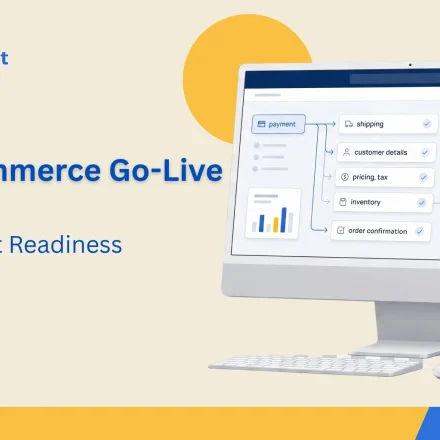
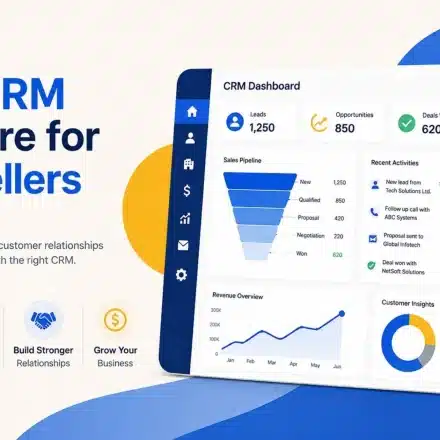
CRM eCommerce integration closes this gap. By integrating CRM with eCommerce, every action that a customer takes online flows into your sales pipeline. A cart left behind becomes a new opportunity. A repeat purchase adds to the customer’s profile and helps with segmentation. Post-purchase experiences can be automated, building loyalty without extra manual effort.
With CRM eCommerce workflow automation, VARs no longer need to manually re-enter orders or reconcile contacts. Instead, they get a single view of the customer that combines both storefront activity and CRM data. The result is more accurate reporting, faster sales cycles, and higher customer satisfaction.
This article is your CRM eCommerce implementation guide. It covers how carts turn into opportunities, how abandoned carts can be revived, how post-purchase workflows can be automated, and how segmentation helps VARs deliver personalized experiences at scale. Most importantly, it demonstrates how VARs can integrate CRM and eCommerce to drive both efficiency and profitability.

How the VAR Workflow Changes With CRM + eCommerce Integration
When a Value-Added Reseller runs CRM and eCommerce as two disconnected systems, there are gaps everywhere. Sales teams work in CRM, while online transactions live in the storefront. This creates duplicated data, leads to slow follow-ups, and results in a poor understanding of the customer journey. Integrating CRM with eCommerce changes that dynamic completely.
Here is how the workflow evolves when a VAR moves to CRM eCommerce integration:
-
Carts become Opportunities
Every cart created in the eCommerce store is automatically converted into a CRM opportunity. Sales reps can track who abandoned a cart, who moved forward, and who needs nurturing. This eliminates lost deals and creates a clean pipeline view.
-
Abandoned Cart Recovery with CRM Automation
Instead of letting carts sit idle, abandoned carts trigger workflows inside CRM. Automated emails, personalized offers, or a rep follow-up can re-engage customers. What was once a dead end now becomes a structured reactivation flow.
-
Post-Purchase Flows and Repeat Business
Once a customer places an order, the information is synced into the CRM for future segmentation. Reps can tag buyers by product category, region, or order size. This data powers upselling, cross-selling, and repeat purchases.
-
Segmentation Based on Real Purchase Behavior
CRM segmentation often relies on assumptions or manual tagging. With eCommerce integration, it becomes data-driven. A VAR can segment customers by product preferences, order frequency, or average spend and launch targeted campaigns.
-
No More Double Entry
Traditionally, teams copy customer info from store orders into CRM. This slows down quoting and increases the likelihood of errors. CRM eCommerce workflow automation ensures that data flows automatically, providing everyone with access to the same updated information.
Why this matters: Instead of scattered touchpoints, a VAR now has a single system that covers the entire journey from cart creation to long-term customer loyalty.

Core Benefits of CRM and eCommerce Integration for VARs
When your CRM and eCommerce store are fully integrated, every action taken by a buyer is fed directly into a central system of record. For Value Added Resellers, this connection is not just about efficiency; it’s about building a smarter, more profitable business model.
1. Carts Turn Into Opportunities
Every time a customer adds products to the cart, the data syncs to the CRM. Instead of treating it as a passive action, the system creates an opportunity record. Your sales team can track these opportunities, set follow-up reminders, and even forecast revenue more accurately.
2. Reduced Cart Abandonment
Abandoned carts are a common issue in e-commerce. With integration, each abandoned cart is automatically logged in the CRM. The system can trigger follow-ups such as reminder emails, targeted offers, or even a quick call from sales. What was once lost revenue now becomes a second chance to close.
3. Post-Purchase Flows That Strengthen Loyalty
Integration ensures that, once a purchase is completed, customer details, order history, and preferences are seamlessly integrated into the CRM. This fuels post-purchase engagement, such as loyalty rewards, cross-sell offers, or personalized renewal reminders, all of which are automated by the CRM.
4. Smarter Customer Segmentation
Data-driven segmentation becomes possible because both buying behavior and sales interactions are stored in a single location. You can build segments like:
- Frequent buyers
- High-value customers
- Industry-specific spenders
- Dormant accounts
This allows marketing campaigns and sales outreach to be highly targeted and far more effective.
5. Faster, More Accurate Sales Cycles
No more back-and-forth between sales and operations teams. With pricing, order history, and customer interactions available in real-time, quoting and deal closures occur faster and with fewer errors.
Carts to Opportunities — The First Step in Workflow Automation
For most resellers, the cart is the beating heart of eCommerce. It’s where buying intent becomes visible. But in many businesses, carts remain isolated inside the online store, disconnected from the sales team’s pipeline. This disconnect results in lost revenue because sales teams often fail to recognize the signals that a customer is ready to make a purchase.By integrating CRM with eCommerce, the cart is transformed from a simple checkout container into a powerful sales signal.

Why It Matters for VARs
- Shorter Sales Cycles: Instead of waiting for a checkout, reps can nudge deals forward earlier.
- Improved Conversion Rates: Customers feel supported when outreach is timely and relevant.
- Accurate Forecasting: Every cart contributes to the sales funnel, even if it has not yet been converted into a sale.
Handling Abandoned Carts with CRM Automation
Every reseller knows the frustration of abandoned carts. A customer browses, fills their cart, but never checks out. Without an integrated system, this intent is lost in silence. With CRM eCommerce integration, those carts become opportunities to re-engage and convert.

For VARs, the challenge isn’t just recovering sales. It’s turning these drop-offs into data that fuels better selling.
CRM-Powered Recovery Workflow
When carts sync with the CRM, abandoned carts are automatically flagged. From there, automation takes over:
- Trigger Alerts to Sales Reps
High-value carts generate instant notifications. Reps can follow up with personalized outreach like “I noticed you were considering [product]. Can I help with specifications or pricing?”
- Automated Email Sequences
The CRM launches drip campaigns tailored to the cart content:
- Reminder: “Your cart is waiting for you.”
- Incentive: “Here’s a limited-time discount to complete your order.”
- Value add: “Download our spec sheet to learn how [product] fits your needs.”
- Segmentation Insights
Abandoned cart patterns feed into segmentation rules. For example:
- Customers who frequently abandon after adding premium products may need guided demos.
- Small businesses that abandon their carts at checkout may require alternative payment terms.
Benefits of CRM Abandoned Cart Integration
- Sales Visibility: No cart is hidden; every cart equals an opportunity.
- Conversion Gains: Automated nudges and personal follow-ups reduce lost revenue.
- Customer Experience: Instead of generic reminders, follow-ups are contextual and useful.
Post-Purchase Workflows — Building Loyalty After the Sale
Closing a deal is not the end of the customer journey for VARs. In fact, post-purchase experiences often determine whether customers return or drift away to competitors. With CRM eCommerce integration, post-purchase workflows turn one-time buyers into long-term partners.
Why Post-Purchase Matters for VARs
- B2B buyers seek reliable vendors who provide ongoing support after the sale.
- Renewals, upsells, and cross-sells are heavily dependent on customer satisfaction.
- Strong post-purchase experiences reduce churn and increase customer lifetime value.
CRM-Driven Post-Purchase Automation
When eCommerce transactions sync with the CRM, the system can trigger workflows immediately after a purchase:
Benefits of CRM-Linked Post-Purchase Flows
- Improved Customer Experience: Customers feel supported, not abandoned.
- Predictable Renewals: Automated reminders keep contracts and warranties from lapsing.
- Higher Revenue: Cross-sells and upsells are suggested based on real purchase data.
Segmentation and Targeted Marketing with CRM Data
One of the most powerful outcomes of CRM eCommerce integration is the ability to segment customers based on real-time buying behavior and turn that insight into targeted campaigns. Instead of sending one-size-fits-all emails, VARs can deliver highly relevant messages that drive repeat business and stronger relationships.
Why Segmentation Is Critical for VARs
- Diverse customer base: VARs often serve SMBs, enterprises, government, and education sectors — each with different buying cycles and budgets.
- Complex buying patterns: Some clients make frequent, small purchases, while others place fewer, larger orders.
- Competitive market: Personalized outreach helps VARs stand out in crowded reseller ecosystems.
Segmentation in Action
CRM data gives VARs multiple ways to segment customers:
- By Purchase History: Group clients who buy the same category (e.g., networking gear, laptops, or software licenses).
- By Order Frequency: Segment heavy buyers versus seasonal ones.
- By Customer Lifetime Value (CLV): Prioritize high-value accounts for loyalty programs.
- By Cart Behavior: Target customers who frequently abandon carts with incentives or reminders.
- By Industry or Vertical: Tailor campaigns to healthcare, education, or IT clients with their specific needs.
Targeted Marketing Tactics Powered by Segmentation
- Personalized Email Campaigns
Send product recommendations based on the customer’s previous purchases.
- Discounts and Loyalty Rewards
Offer exclusive promotions for repeat buyers or “thank you” discounts for long-term customers.
- Account-Specific Content
Share case studies or blog posts relevant to a customer’s industry, directly tied to their CRM profile.
- Sales Alerts and Restock Notifications
Let customers know when out-of-stock products are available again, based on their saved interests.
Business Impact of CRM-Backed Segmentation
- Higher Engagement: Customers pay attention when the message feels personal and relevant.
- Better Conversion Rates: Tailored campaigns lead to more closed deals.
Efficient Sales Effort: Sales reps focus energy where ROI is highest.
Building a CRM + eCommerce Implementation Roadmap

Integrating CRM and eCommerce systems is not just a technical project; it is a phased journey. Without a clear roadmap, VARs risk running into fragmented data, poor adoption, and wasted investment. A structured plan ensures the integration supports both operational efficiency and customer experience goals.
Step 1: Define Business Objectives
Before touching any technology, outline what success looks like. For VARs, this could mean:
- Reducing abandoned carts by 20%
- Shortening the quote-to-close cycle time
- Increasing repeat purchases from top accounts
- Improving visibility into customer lifetime value
Step 2: Map Customer Journeys
Identify how customers interact across various touchpoints, including browsing products, adding items to the cart, requesting quotes, purchasing, and seeking support. This map ensures your CRM captures the right data at each stage.
Step 3: Choose Integration Approach
- Native Integration: Many e-commerce platforms have built-in connectors for popular CRMs.
- Middleware Solutions: Tools like Zapier or custom APIs for more complex setups.
- Custom Builds: Needed when unique workflows or distributor integrations are in play.
Step 4: Clean and Standardize Data
Data quality determines integration success. Deduplicate customer records, standardize formats (emails, phone numbers, addresses), and tag customers by segment before syncing.
Step 5: Pilot with a Small Segment
Rather than launching a company-wide initiative, start with one product line or customer segment. This helps validate workflows, such as cart-to-opportunity and abandoned cart triggers, without risking the entire database.
Step 6: Train Teams Thoroughly
Sales and support teams must know how to use the CRM data pulled from eCommerce. Training should cover:
- How to view cart activity in CRM
- How abandoned cart alerts work
- How to trigger post-purchase follow-ups
Step 7: Measure ROI and Iterate
Track KPIs defined in Step 1. If abandoned cart recovery rates are improving but repeat purchase rates are not, consider adjusting segmentation or post-purchase campaigns. Integration should evolve with customer needs.
Common Challenges and How to Overcome Them
Even the best CRM + eCommerce integration projects face hurdles. For VARs, these challenges are amplified by complex catalogs, multi-distributor feeds, and diverse customer expectations. The good news is that most of these roadblocks can be anticipated and solved with the right planning.
1. Data Silos Between Systems
The Challenge: Customer details, order history, and product updates often sit in disconnected silos. A sales rep might see a quote in CRM, while the eCommerce platform shows a pending cart.
How to Solve:
- Use bi-directional syncing so that both systems update in real-time.
- Establish “one source of truth” (usually the CRM) for customer profiles.
- Audit integration logs weekly to catch sync errors early.
2. Poor Data Quality
The Challenge: Duplicate records, missing customer fields, or mismatched SKUs create confusion and bad reporting.
How to Solve:
- Run a one-time cleanup before integration.
- Set up validation rules (e.g., no new customer record without a valid email).
- Automate catalog hygiene to prevent discontinued products from being entered into the CRM.
3. Cart-to-Opportunity Gaps
The Challenge: An abandoned cart in eCommerce is not always captured as a lead or opportunity in CRM. As a result, sales teams lose chances to follow up.
How to Solve:
- Configure triggers so every cart is logged in CRM.
- Add scoring rules (e.g., carts over $5,000 flagged for direct sales rep follow-up).
- Build automated email campaigns tied to abandoned carts.
4. Adoption Resistance from Teams
The Challenge: Sales teams may prefer old habits, such as using manual spreadsheets or calling distributors directly. They may see integration as “extra work.”
How to Solve:
- Involving sales leaders early in defining workflows is crucial.
- Train with real-life scenarios instead of generic demos.
- Show ROI: how abandoned cart alerts and repeat purchase reminders help them close deals faster.
5. Vendor Portal Mismatch
The Challenge: Special pricing or approvals in vendor portals (like Cisco CCW) may not align smoothly with eCommerce or CRM records.
How to Solve:
- Ensure vendor portal feeds are synced with distributor integrations.
- Create manual override workflows for rare cases where automation fails to function.
- Document clear SLAs between sales and procurement teams.
6. Scaling Problems
The Challenge: What works with 500 customers might break at 5,000. As order volume increases, sync errors or delays may occur.
How to Solve:
- Migrate from batch updates to API-driven, real-time synchronization.
- Benchmark sync latency monthly and upgrade infrastructure as needed.
- Plan for distributor integrations and vendor portals to expand in tandem.
The Future of CRM + eCommerce Integration for VARs
The landscape of CRM eCommerce integration is not standing still. As buyer expectations shift and technology advances, VARs must prepare for a future where seamless customer experiences are no longer optional but the baseline.
Smarter Automation with AI
- AI-driven cart analysis will predict which opportunities have the highest chance of conversion.
- Automated product recommendations in carts, tied directly to CRM insights, will personalize every customer journey.
- Natural language chatbots powered by CRM data will guide buyers through the checkout process, reducing the need for support tickets.
Hyper-Personalization at Scale
- VARs will move beyond generic abandoned cart emails to hyper-personalized outreach.
- CRM will segment buyers not only by past purchases but also by browsing history, device type, and even buying triggers, such as fiscal year-end.
- Marketing automation tools will integrate directly with CRM and eCommerce data for precise targeting.
Deeper Vendor and Distributor Integrations
- Vendor portals will increasingly integrate with CRM workflows, consolidating deal registration, rebates, and special pricing into a unified process.
- Distributor feeds will sync more than stock and price, including shipping timelines and compliance data.
API-First Architecture
- Future systems will rely less on batch updates and more on API-first models, reducing latency and errors.
- This will also make it easier for VARs to integrate niche tools (such as ERP, tax software, and logistics systems) without disrupting workflows.
Analytics-Driven Decision Making
- Predictive dashboards will highlight customers most at risk of churn.
- Revenue attribution will show which abandoned cart recoveries or upsell campaigns delivered the most ROI.
- Procurement, CRM, and eCommerce data will blend for unified forecasting.
Why It Matters for VARs
- Customers expect fast, seamless, and personalized buying journeys.
- Distributors and vendors will demand tighter integration for compliance and rebates.
- Competitive advantage will shift from “who has the lowest price” to “who delivers the most seamless buying experience.”
For VARs that embrace this future, CRM + eCommerce integration will not just be a tool for efficiency. It will become the central nervous system of their business, guiding sales, marketing, procurement, and customer service in a single, connected flow.
Building a Connected Future for VARs
The integration of CRM and eCommerce platforms is no longer a “nice to have” for VARs. It is the foundation for smarter selling, higher profitability, and stronger customer loyalty. From converting carts into opportunities to managing abandoned checkouts, from post-purchase flows to data-driven segmentation, every step of the buyer’s journey becomes sharper and more efficient when both systems work in tandem.
The future belongs to VARs that eliminate silos and operate through connected workflows. By mastering CRM eCommerce integration, you not only manage transactions but also shape experiences, build trust, and ensure sustainable growth.
If you are ready to streamline processes, improve ROI, and deliver value across every customer interaction, the next step is simple.
Book a demo with VARStreet today and see how CRM and eCommerce integration can transform your VAR business into a truly connected enterprise.