Improve Reseller Performance with CRM: A Complete Guide
Table of Content
A well-established sales process brings success to a business. It provides the necessary framework for salespeople to walk through a systematic series of steps before closing a deal. However, without a streamlined sales process, it is difficult to strike successful deals or retain a client. It also leads to issues like misunderstandings, poor insights, or data loss.
Key Takeaways:
- CRM systems revive struggling businesses by centralizing customer interactions and exposing opportunities hidden in fragmented data.
- Improved visibility into pipeline stages helpsidentifyleaks and prioritize high-impact deals.
- Automated workflows reduce manual follow-ups and improve sales consistency across teams.
- CRM-driven segmentation enables targeted outreach that boosts win rates and retention.
- Actionable dashboards empower leaders to make confident decisions during periods of declining performance.
This is where Customer Relationship Management (CRM) solutions come in. CRMs have revolutionized the way businesses interact with their customers. The integration of CRM in eCommerce has proven to be a game-changer for companies operating in the digital realm.

What is CRM and Why It Matters for Resellers?
Customer Relationship Management (CRM) is not just software; it is a business strategy designed to put the customer at the center of every interaction. At its core, CRM is about managing and analyzing customer interactions throughout the entire business process, from lead generation and proposals to service and long-term partnerships.

Remarkably, by 2025, 91 percent of companies with 10 or more employees are expected to use CRM systems to manage customer interactions (kixie).
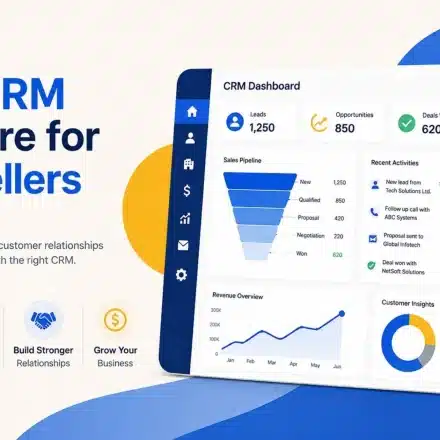
CRM systems provide resellers with a tracking system to manage sales pipelines, monitor communication, and leverage data for smarter decision-making. In a fast-moving industry, this level of insight allows businesses to stay ahead of the competition by personalizing services, improving customer service, and identifying new business opportunities.
Read the blog—Lead Management in CRM: Turning Interest into Business Opportunities
Challenges Resellers Face Without CRM
Without a CRM, resellers often face problems such as:
- Limited collaboration and poor information flow among various teams.
- Inaccurate or incomplete information, making it difficult to understand customer needs or track sales opportunities.
- Weak proposal management, leading to missed deals or delayed follow-ups.
- Limited visibility into consumer behavior, resulting in poor targeting of marketing campaigns.
- Difficulty in measuring revenue performance or identifying weak spots in the sales process.
These issues not only slow down business growth but also impact the ability to deliver value to customers.
How CRM Helps Improve Reseller Performance?

Implementing customer relationship management (CRM) is no longer just a choice for resellers; it has become a strategic necessity in today’s competitive industry. A well-implemented CRM system supports marketing efforts, strengthens customer relationships, and provides the tools needed for problem solving and sustainable growth. By bringing together data, communication, and management practices into one platform, resellers can leverage CRM to maximize value and create long-term success.
Centralized Customer Data
A CRM software provides a reliable place to store and access customer data. By consolidating interactions, purchase records, and service histories, resellers gain visibility across the entire customer lifecycle. This not only improves tracking systems but also ensures that no sales opportunity or service request is overlooked. Access to organized data helps streamline the business process and allows teams to move faster when responding to customer needs.
Smarter Sales and Marketing Strategies
CRM platforms allow resellers to connect sales initiatives directly with marketing campaigns. With accurate data and detailed insights into consumer behavior, businesses can develop strategies that are both targeted and effective. Personalized proposals, timely offers, and tailored messaging resonate more with customers and help resellers position themselves as trusted partners. In turn, this approach fosters stronger customer loyalty and makes marketing spend more efficient.
Streamlined Business Processes
Efficiency in management is critical for resellers competing in a fast-moving industry. CRM platforms reduce manual effort by automating lead management, report preparation, and customer follow-ups. This allows sales teams to focus on high-value activities like developing partnerships and building trust with customers. Managers, meanwhile, benefit from real-time information about pipeline health, enabling quicker decision-making and alignment of strategy with execution.
Enhanced Customer Service
Customer service remains one of the most important factors that set businesses apart in competitive markets. With a CRM, resellers can provide faster responses, resolve service issues effectively, and maintain clear communication with customers. With tools like ticket tracking and instant alerts, businesses can make sure no customer inquiry slips through. This level of personalization not only strengthens the relationship but also increases the overall value customers derive from the partnership.

Pro Tip:
Use CRM alerts to re-engage dormant accounts that may offer quick-win revenue opportunities.
Revenue Growth and Business Opportunities
CRM analytics go beyond tracking sales figures. They help identify upselling and cross-selling opportunities, highlight gaps in the sales process, and point to emerging trends in the market. By leveraging this information, resellers can maximize revenue while uncovering new business opportunities. The ability to adapt quickly to competition makes CRM a critical tool for long-term sustainability in the industry.
Problem Solving Through Better Insights
CRM dashboards and reports provide actionable insights that improve both strategy and execution. Managers can identify problem areas, evaluate performance, and refine processes for greater efficiency. This structured approach to problem-solving ensures alignment with broader business objectives. Ultimately, the implementation of CRM fosters a culture of continuous improvement, where data-driven decisions lead to consistent growth and measurable success.
Pro Tip:
Build slump-recovery playbooks inside the CRM to standardize actions during low-performance cycles.
Implementing CRM for Reseller Success
Successful CRM implementation requires planning and alignment with reseller goals. Here are a few best practices:
- Define Clear Strategy: Identify specific areas where CRM will improve performance, such as sales tracking or customer support.
- Choose the Right Tool: Select a CRM that fits your reseller business model and integrates with your existing systems.
- Train Your Team: Ensure sales, marketing, and support teams are trained to fully utilize CRM features.
- Monitor and Optimize: Continuously track results and adjust strategies to maximize ROI.
Conclusion
Succeeding in the modern marketplace requires resellers to adopt strategies that go beyond traditional selling. The ability to improve reseller performance with CRM lies in how effectively businesses can harness customer relationship management as both a tool and a strategy. By centralizing data, improving communication, and leveraging insights into consumer behavior, CRM empowers resellers to deliver superior customer service, unlock new business opportunities, and achieve long-term success.
For resellers ready to stay ahead of the competition, CRM is essential. If you are a reseller looking for a reliable CRM solution, definitely check out VARStreet’s cloud-based CRM. With years of experience in the field of B2B eCommerce, VARStreet has optimized its CRM to best suit the needs of resellers and their customers. Book a free demo today and learn more.
Read the blog—-Cloud CRM vs On-Premise CRM – Which Suits for Your Company?
FAQs
What is CRM in the context of resellers?
CRM is a tool and strategy that helps resellers manage customer relationships, streamline processes, and grow sales.
How does CRM improve sales tracking?
CRM provides a tracking system to monitor leads, opportunities, and deals in real-time.
Can CRM help with marketing campaigns?
Yes, CRM enables targeted marketing campaigns by analyzing customer data and consumer behavior.
What role does CRM play in customer service?
It centralizes customer interactions and ensures faster resolution of service requests.
How does CRM support proposal management?
CRM tools streamline proposal creation, follow-ups, and approvals to improve success rates.
What are the main benefits of CRM for resellers?
Key benefits include improved communication, higher revenue, better data management, and stronger partnerships.
Is CRM useful for problem-solving in business?
Yes, CRM dashboards highlight weak spots and provide insights for quick problem-solving.
Can CRM drive new business opportunities?
CRM analytics reveal upselling, cross-selling, and partnership opportunities to maximize revenue.
How does personalization work in CRM?
CRM uses customer data to create personalized marketing, communication, and service experiences.
What are the best practices for CRM implementation?
Define goals, choose the right tool, train your team, and continuously optimize usage for success.
Pragya Bhardwaj
Pragya Bhardwaj is a seasoned B2B content writer with a strong background in SaaS and digital commerce. She specializes in creating clear, engaging, and search-optimized content that helps businesses connect with their audiences and build authority online. With experience across blogs, whitepapers, eBooks and website copy, Pragya brings both strategy and storytelling to every piece she writes. Editorial Policy
Read More