Table of Content
Grainger’s latest buyer-focused survey shows that 87% of respondents have adopted eProcurement solutions with PunchOut capabilities.
But here’s the thing: for many of today’s B2B buyers, a PunchOut catalog isn’t just a nice-to-have; it’s a requirement for doing business.
In this blog, we’ll explain what PunchOut catalogs are, why your buyers want them, and how platforms like VARStreet make it easy to support PunchOut workflows—without overwhelming your team or your budget.
PunchOut Catalog Basics from the Buyers’ Lens
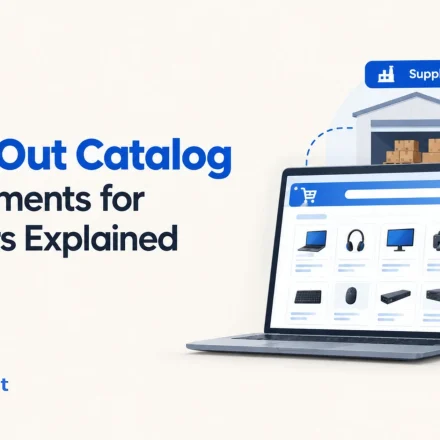
A PunchOut catalog is a way for buyers to shop directly from a supplier’s online store without leaving their procurement system. It connects your eProcurement platform (like Ariba, Coupa, Jaggaer, etc.) to the supplier’s eCommerce store in real-time.
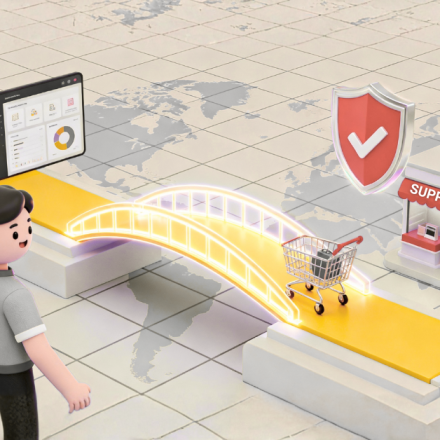
Instead of logging into a separate website to order products, you “punch out” from your procurement system into the supplier’s catalog, but it still feels like part of your system. Once you’ve added products to your cart, the order gets sent back to your procurement tool, where you can review, approve, and issue the purchase order (PO).
Read more on—–> PunchOut Technology: How does it Work and Why Use it?
How Does a PunchOut Catalog Work?

- Buyer logs into their eProcurement system (like SAP Ariba, Coupa, Oracle, etc.).
- Clicks on the supplier’s PunchOut link. This securely redirects them to the supplier’s online catalog.
- Supplier’s eCommerce store opens in a new browser window or tab, customized for the buyer (pricing, inventory, terms).
- Buyers shop just like in a regular B2B store, adding items to the cart.
- Instead of checking out, the cart is “punched back” into the buyer’s procurement system as a requisition.
- The requisition goes through internal approval workflows within the buyer’s system.
- Once approved, a purchase order (PO) is generated and sent back to the supplier electronically.
- Supplier fulfils the order and pushes back acknowledgments, shipping notices, and invoices.
This seamless process ensures data accuracy, reduces manual entry, and speeds up procurement.
Benefits of PunchOut – From the Buyer’s Perspective
Improves the Buying Experience
Buyers prefer RoundTrip because it works directly with their company’s purchasing software. They can see real-time product availability, pricing, and personalized options. They can shop just like on a regular website, but everything stays connected to their internal system. This helps them save time, avoid mistakes, and speed up the approval and ordering process.
Cost Savings
Punch-out helps buyers by reducing order mistakes, speeding up the approval process, and ensuring that everyone in the company purchases from the correct suppliers. It also provides them with better visibility of their spending and helps keep everything organized and consistent.
Buyers save money because they spend less time on manual work and fixing errors. Since the prices are always accurate, they avoid paying too much or having to correct invoices later. Buying through PunchOut also helps avoid unapproved spending, which can lead to unexpected costs.
Makes Procurement more Efficient
PunchOut catalog software saves valuable time for procurement teams by directly integrating supplier catalogs into the buyer’s purchasing systems. This streamlines the purchasing process by keeping buyers within their familiar procurement environment without jumping to external web portals. From selecting products to getting approvals and placing orders, PunchOut speeds up the entire procurement process. It reduces paperwork, helps different departments work together, and makes it easier to onboard suppliers.
Real-time Access to Product Data
They get immediate visibility into product specs, availability, and how much of their budget has been used, which makes procurement more controlled and efficient. This includes discounts, bulk rates, or contract-specific deals. Over time, this adds up to big savings.
Ensures Contract-compliance Purchasing
B2B companies usually have strict rules and systems for purchasing. They don’t go outside their pre-established approval workflow every time they need to buy something. PunchOut makes it easier for them to follow internal rules, stay within budget, and buy only approved items at pre-negotiated prices. It helps them avoid mistakes and makes sure all orders go through the approval process.
Read more on—> Why Is PunchOut Catalog Gaining Popularity In B2B Space?
Measuring ROI in PunchOut Solutions
ROI is a simple but powerful way to measure the impact of your PunchOut solution on your business workflows. ROI helps you to assess the financial and operational benefits of PunchOut against the costs you incurred during implementation and beyond.
Factors influencing PunchOut ROI include:
- Implementation Costs — the investment made to connect your procurement system with your suppliers’ PunchOut catalogs.
- Maintenance — The ongoing costs associated with the subscription or usage of the eProcurement system itself.
- Cost Savings — reductions in administrative overhead, fewer errors, and automated workflows.
- Process Efficiency — quicker approvals, faster order placement, and minimal disruptions in procurement operations.
After considering these aspects, you will get a clear picture of whether your PunchOut solution is contributing positively to your organization’s bottom line.
Key Metrics to Measure PunchOut eCommerce ROI
The following are the specific metrics that can help you track the ROI of the PunchOut catalog solution:
- Cost Savings and Procurement Efficiency
- Increased Order Accuracy and Compliance
- Productivity Gains and Employee Efficiency
B2B buyers using PunchOut catalogs experience measurable improvements across all key performance metrics. Procurement becomes more cost-effective, orders are more accurate and compliant, and employees save time with streamlined workflows. Together, these benefits drive strong ROI and operational excellence.
Tools and Methods for Measuring ROI
Here are a few practical ways to measure the success of your PunchOut implementation:
- Pre- and Post-Implementation Comparison: Start by noting your procurement metrics before implementing PunchOut. You need to find out how long it took to process and place a purchase order, how often errors occurred, and how many resources were involved. Then track the same metrics after going live with PunchOut.
- Cost-Benefit Analysis: Make a list of all your tangible and intangible savings, including fewer errors, reduced procurement cycle times, and lower administrative costs. Then compare this to your total implementation and maintenance expenses.
- KPI Dashboards: Use analytics and reporting tools to monitor key indicators such as average order processing time, order error rate, contract compliance, and supplier response times.
A simple way to calculate it is by using this formula: ROI = (Net Benefits / Total Costs) x 100.