PunchOut Catalogs for VARs Explained: How to Serve B2B Buyers?
Table of Content
- What VARs mean by PunchOut: the Simplest Definition
- The Role of PunchOut Catalogs in B2B Procurement
- Key Benefits of PunchOut Catalogs
- Implementation: Protocols, Platforms & Integration
- Level 1 Vs. Level 2 PunchOut Catalogs
- Business Value for VARs, Suppliers & Resellers
- Common PunchOut Use Cases
- FAQs
The present reality is that your B2B buyers are handling complex procurement processes, which prompts them to seek effective online solutions that save their time and reduce hassle during procurement.
Key Takeaways:
- PunchOutcatalogs explained focus on what VARs must know to support complex B2B purchasing.
- PunchOutprovides real-time product, price, and contract information within buyer procurement tools.
- It simplifies the procurement process by reducing duplicate data entry.
- Catalog structuring and mapping are essential to ensure seamless buyer experiences.
- Adoption ofPunchOutinfluences procurement efficiency and long-term customer satisfaction.
Procurement departments are actively pursuing digital transformation, with a target of 70% digitalization by 2027 (PWC).
PunchOut is one such solution designed for the convenience of B2B buyers and resellers, offering your buyers direct access to your B2B eCommerce product catalog, which is integrated into their procurement systems, helping to streamline sales processes.
What VARs mean by PunchOut: the Simplest Definition
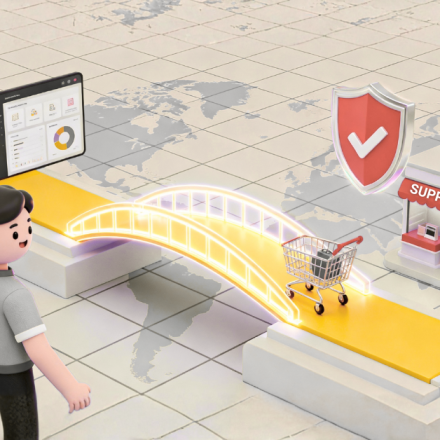
A PunchOut Catalog is an integration solution that connects a customer’s eProcurement system directly to a supplier’s product catalog on their eCommerce website. This process allows buyers to “punch out” from their procurement application, browse customized product offerings, fill a shopping cart, and then seamlessly transfer these details, known as a round trip, back to their internal system to complete the purchase order and approval process.
Read the blog—–PunchOut Technology: How does it Work and Why Use it?
The Role of PunchOut Catalogs in B2B Procurement
Modern purchasing leaders demand efficiency, accuracy, and a personalized service experience. A PunchOut Catalog delivers these benefits by:
- Allowing buyers to select real-time products and pricing from suppliers without manually uploading static lists.
- Streamlining trade and sales relationships, making both implementation and ongoing management simple.
- Reducing costly errors in product information, order duplication, and outdated pricing.
Key Benefits of PunchOut Catalogs
- Efficiency: Accelerates purchasing, reduces manual catalog uploads, and improves workflow automation.
- Personalization: Delivers customer-specific catalogs, contract pricing, bundled product offers, and promotions.
- Accuracy: Ensures live inventory, up-to-date product data, and eliminates errors common in static catalogs.
- Scalability: Simplifies the onboarding of new customers and expansion into new retail or trade channels.
- Compliance: Integrates with customer approval flows and purchasing controls, reducing risk.
Pro Tips:
• Standardize product attributes to improve search relevance within PunchOut sessions.
Why More B2B Buyers Demand PunchOut Catalog Capabilities
As procurement systems advance, buyers increasingly expect direct supplier integrations to support faster purchasing cycles, improved accuracy, and easier spend management.
Companies that offer PunchOut capabilities stand out by:
- Delivering superior customer service and buyer experience.
- Minimizing operational friction and manual reconciliation early in the procurement chain.
- Assisting buyers in complying with procurement policies and mitigating compliance risks.
- Enabling buyer organizations to fully leverage their eProcurement and ERP investments
Implementation: Protocols, Platforms & Integration
Integration Standards
The most widely adopted standards for PunchOut implementation are:
- cXML (Commerce eXtensible Markup Language): The industry standard for communicating procurement data between systems.
- OCI (Open Catalog Interface): Commonly used in SAP environments for standardized supplier integration.
- EDI (Electronic Data Interchange): Sometimes used in parallel for invoice and order automation.
Prominent eProcurement platforms that enable punch-out include Oracle, Workday, Jaggaer, SAP Ariba, Coupa, and SynerTrade.
Read our blog – What is cXML and How Can It Enable PunchOut Catalog for Better B2B Automation?
Level 1 Vs. Level 2 PunchOut Catalogs

Business Value for VARs, Suppliers & Resellers
PunchOut Catalogs are a competitive differentiator for VARs, suppliers, and resellers seeking to win large B2B and enterprise customers. Key value propositions include:
- Faster sales cycles and larger average order values.
- Enhanced customer loyalty through product and service personalization.
- Streamlined service implementation, especially for IT, office supplies, and complex configurable products.
- The capacity to provide carefully chosen product options and product bundles that are customized for certain client agreements.
Common PunchOut Use Cases
- Multi-supplier purchasing environments require advanced search and product comparison capabilities for buyers.
- Configurable IT equipment and software procurement, where product options are complex and frequently updated.
- Retail distributors are looking to provide business buyers with real-time pricing and inventory from a combined catalog.

Pro Tips:
• Align catalog metadata with buyer expectations to reduce navigation friction.
Final Words
PunchOut Catalogs have become essential for modern B2B procurement, empowering customers with streamlined, personalized purchasing experiences and granting suppliers a strategic edge in business sales and service implementation. As procurement continues to evolve, embracing PunchOut, alongside emerging protocols and integration standards, is critical for any business looking to excel in today’s collaborative, digital buying landscape.
With VARStreet’s aggregated catalog, resellers gain access to a vast repository of products from 50+ IT & office supplies distributors, all in one centralized platform. With PunchOut capabilities, buyers can directly access the aggregated catalog through their eProcurement software. This ensures accurate product information, real-time inventory updates, and streamlined ordering. Start your B2B eCommerce growth journey with VARStreet.
Read the blog——PunchOut Catalog Integration – Steps to Successful Implementation
FAQs
What is a PunchOut Catalog?
A PunchOut Catalog connects a buyer’s procurement system to a supplier’s website for seamless product selection and purchasing.
Is PunchOut used in B2B or B2C?
PunchOut is used in B2B eCommerce. It connects suppliers with buyers through procurement systems like Coupa, Ariba, and Jaggaer.
What industries use PunchOut the most?
Industries that commonly use PunchOut are IT and Technology, Office Supplies, Industrial and MRO Supplies, Healthcare and Medical Supplies, Value-Added Resellers (VARs), Service-based B2B businesses
How does Punch Out improve B2B procurement?
Punch Out simplifies purchasing by automating product selection, pricing, and order creation within procurement workflows.
What is a round trip in PunchOut?
It is the process of transferring cart data from the supplier’s website back to the buyer’s procurement platform.
What’s the key difference between hosted and PunchOut Catalogs?
PunchOut Catalogs are dynamic and real-time, whereas hosted catalogs are static and require manual uploading.
Which platforms support PunchOut integration?
There are many platforms like SAP Ariba, Coupa, Oracle, and Jaggaer that support PunchOut via cXML or OCI protocols.
Can PunchOut Catalogs be personalized?
Yes, they can show customer-specific products, pricing, and configurations.
How does PunchOut impact sales?
It speeds up order cycles, increases accuracy, and improves customer service.
What are Level 1 and Level 2 PunchOut?
Level 1 opens the supplier’s site; Level 2 allows product search within the procurement system.
Is PunchOut difficult to implement?
With the right provider, PunchOut implementation is straightforward and scalable for most businesses.
Pragya Bhardwaj
Pragya Bhardwaj is a seasoned B2B content writer with a strong background in SaaS and digital commerce. She specializes in creating clear, engaging, and search-optimized content that helps businesses connect with their audiences and build authority online. With experience across blogs, whitepapers, eBooks and website copy, Pragya brings both strategy and storytelling to every piece she writes. Editorial Policy
Read More