Quote-to-Order Handoff: How to Prevent Downstream Billing and Fulfilment Issues

Table of Content
The Problem: Approved Quotes Still Create Broken Orders
Most VAR ops assume that once a customer signs off, the hard part is over.
In reality, “approved” doesn’t mean “execution-ready.”
The quote captured pricing, selections, and terms at one moment.
Between approval and execution, distributor prices shift, inventory depletes, tax rules change, and shipping gets entered wrong.
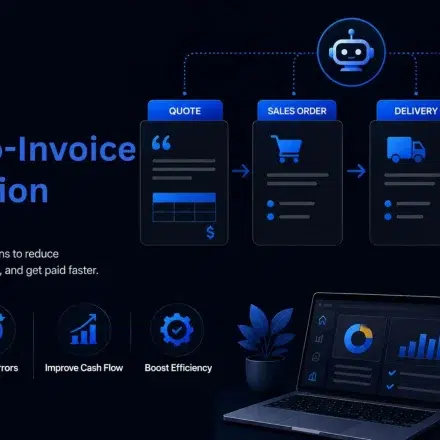
Data passes through four records, which are quote, sales order, distributor PO, and invoice, and each is a handoff where mutation happens.
Quote vs. Sales Order vs. Distributor PO vs. Invoice
Before diving into what goes wrong, let’s define the four records in the chain:
- Quote: A proposal capturing selections, pricing, terms, and validity dates. A snapshot of intent, not an operational instruction.
- Sales Order: The internal authorization for fulfillment. Contains verified pricing, confirmed supply source, validated addresses, tax codes, and shipping method.
- Distributor PO: The order to your upstream supplier (Ingram Micro, TD SYNNEX, D&H, etc.). A single sales order may generate multiple POs across distributors.
- Invoice: The billing document. Must reflect what was actually shipped and received, not what was quoted or ordered.
When teams treat these as the same document with different labels, billing disputes arise.
The 10 Conversion Defects That Cause Billing and Fulfilment Issues

The Order-Ready Quote Checklist
Order-Ready Quote Checklist
- All SKUs validated against the current distributor catalog (no discontinued or EOL items)
- Pricing revalidated against live distributor feeds (within the last 24 hours)
- Contract/special pricing correctly applied and locked
- All discounts approved through the appropriate authority level
- Tax codes verified against ship-to address (using automated tax engine)
- Freight method, carrier, and billing party confirmed
- Ship-to address validated against customer master record
- Bill-to entity confirmed (correct legal entity, PO number if required)
- Bundle/configuration integrity verified (all components present, parent-child intact)
- Substitution policy documented and buyer acceptance recorded (if applicable)
- Quote version matches customer-approved version (no unapproved revisions)
- Source-of-supply confirmed for each line item (distributor, warehouse, drop-ship flag)
- Commercial terms locked (payment terms, warranty terms, SLA commitments)
- Approval chain completed (all required sign-offs recorded with timestamps)
KPIs That Prove Your Handoff Is Working

How VARStreet Helps

Real users confirm the impact.
You can explore customer testimonials here, and request a demo here, and also figure out our pricing.
Conclusion
The quote-to-order handoff is where most VAR revenue leaks, and not at the deal stage, but in the gap between approval and execution.
Fixing it means treating conversion as a controlled process, not a manual hand-off.
With over 25 years of experience serving IT Value Added Resellers, VARStreet has built every module, from CPQ and catalog to procurement and ERP sync, specifically around the defects that break VAR orders downstream.
If you’re an IT reseller tired of billing disputes and fulfilment errors, request a free demo of VARStreet and see how one-click conversion, real-time pricing, and automated procurement can close the gaps for good.