The Business Impact of PunchOut: How Procurement Teams Gain Efficiency and Real-Time Insight?

Table of Content
PunchOut technology changes that dynamic. Connecting procurement platforms directly with supplier catalogs provides teams with live access to product data, availability, and pricing within their existing systems. Instead of toggling between portals or relying on static files, buyers can shop in real-time and seamlessly push orders back into their procurement workflows.
This isn’t just about convenience. The business impact of PunchOut is measurable:
- Procurement efficiency improves through automation and the reduction of errors.
- Supplier relationships strengthen through transparency and alignment.
- Live data access allows smarter forecasting and spend control.
- Organizations can adopt Procurement 2.0 strategies that free teams from admin work and focus them on value creation.
In this article, we’ll explore the true impact of PunchOut on procurement. We’ll examine efficiency gains, supplier collaboration, the benefits of real-time data, and how PunchOut facilitates the modernization of procurement strategies. By the end, you’ll see why PunchOut is no longer optional; it’s a competitive requirement for procurement teams that want to move faster, reduce costs, and build stronger supplier networks.
PunchOut and Procurement Efficiency
One of the most significant business benefits of PunchOut catalog lies in its ability to streamline procurement workflows. Traditional purchasing often forces buyers to move between supplier websites, export product lists, and re-enter data into internal procurement systems. Every handoff introduces delays and increases the risk of error.
PunchOut eliminates this back-and-forth by connecting procurement systems directly to supplier catalogs. Buyers can search, configure, and select products in real-time, then push those selections directly into their company’s purchase requisition or ERP system.
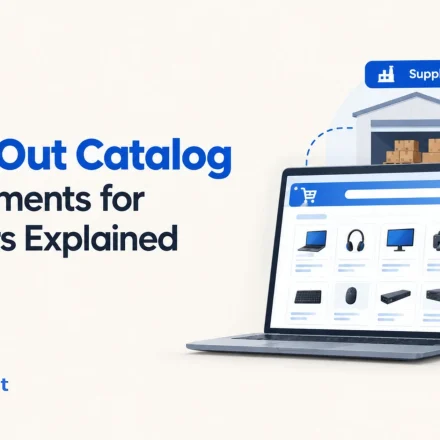
Read the blog—PunchOut Catalogs for VARs Explained: How to Serve B2B Buyers?
Key Efficiency Gains
1. Fewer Manual Steps
- No duplicate data entry between portals and systems.
- Purchase orders flow seamlessly, reducing clerical work.
2. Reduced Errors
- Product details, SKUs, and pricing come directly from the supplier’s live catalog.
- This lowers mismatches and reduces invoice disputes.
3. Faster Cycle Times
- Quotes and purchase requisitions can be generated instantly.
- Procurement teams spend less time chasing approvals and fixing mistakes.
4. Lower Transaction Costs
- By shortening cycle times and minimizing corrections, PunchOut reduces the total cost of each transaction.
- Teams can reallocate time from admin work to strategic sourcing and supplier management.
Example Impact
A distributor with hundreds of orders per week can save hours of manual work daily by using PunchOut. Each purchase moves faster, accuracy improves, and procurement professionals gain bandwidth to focus on higher-value tasks.
Strengthening Supplier Relationships
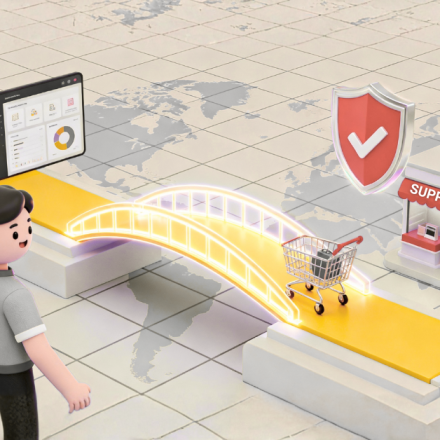
Procurement is more than purchasing products. It is about building partnerships that support long-term business goals. When buyers and suppliers work from different systems and rely on outdated files, even minor misunderstandings can quickly escalate into friction. PunchOut helps bridge that gap by creating a direct, transparent connection between procurement teams and suppliers.
How PunchOut Improves Supplier Relationships?
1. Transparency in Pricing and Availability
- Buyers view current pricing and live stock levels directly from the supplier’s catalog.
- This removes the confusion that comes from quoting against outdated lists.
2. Simplified Compliance
- Contract terms, approved product lists, and negotiated discounts are embedded into the PunchOut experience.
- Both sides remain aligned with procurement policies without requiring additional manual checks.
3. Reduced Disputes
- Fewer errors in orders mean fewer invoice mismatches and fewer credit notes to reconcile.
- The result is smoother transactions and better trust.
4. Closer Collaboration
- Suppliers can update catalogs instantly, ensuring buyers always see accurate information.
- This level of responsiveness strengthens the partnership and positions the supplier as a reliable, preferred source.
The Relationship Effect
When buyers trust that every catalog entry is accurate, they stop treating suppliers as transactional vendors and start engaging them as strategic partners. PunchOut creates the foundation for this shift by eliminating friction and replacing it with consistency.
The Power of Live Data Access
Procurement teams make decisions every day that depend on accurate information. Without live data, those decisions are based on static files, delayed updates, or assumptions that may no longer be true. PunchOut eliminates this risk by providing buyers with direct access to supplier catalogs that are always up-to-date.
Why Live Data Matters?
1. Real-Time Pricing
- Procurement teams see the exact prices suppliers are offering at the moment of purchase.
- This ensures discounts, promotions, and negotiated rates are applied correctly.
2. Accurate Inventory Visibility
- Buyers know whether products are in stock before placing an order.
- This reduces backorders, substitutions, and shipment delays.
3. Smarter Forecasting
- With access to live catalogs, procurement leaders can analyze purchasing patterns, identify supply risks, and adjust their sourcing strategies.
- Live data feeds into spend analytics, making budgets more accurate and reliable.
4. Better Spend Control
- Real-time checks prevent rogue purchases and ensure buyers stay within approved product lists.
- This helps organizations manage compliance and control costs more effectively.
Example in Action

An enterprise buyer using PunchOut sees live availability across multiple suppliers. Instead of ordering unthinkingly and hoping stock is available, they can compare options in real-time, choose the best one, and complete the requisition within minutes.
Procurement 2.0 Strategies with PunchOut
Procurement has been shifting from an administrative function to a strategic driver of value. This evolution, often referred to as Procurement 2.0, emphasizes the use of digitization, automation, and data-driven decision-making. PunchOut aligns perfectly with this strategy by transforming the way procurement connects with suppliers.
Key Roles of PunchOut in Procurement 2.0
1. Automation of Routine Tasks
- Manual catalog checks and data entry disappear.
- Teams focus on supplier strategy, risk management, and contract negotiations rather than clerical work.
2. Integration with ERP and Procurement Platforms
- PunchOut catalogs plug directly into enterprise procurement systems.
- This alignment ensures purchase requisitions, approvals, and payments flow seamlessly across the business.
3. Smarter Category Management
- Category managers gain live visibility into supplier pricing and availability.
- This enables them to negotiate more effectively, manage their spending, and quickly adapt their sourcing strategies.
4. Data-Driven Procurement
- Real-time access to supplier data feeds into spend analytics and forecasting.
- Procurement teams can track compliance, monitor supplier performance, and make proactive decisions.
Strategic Impact

With PunchOut, procurement leaders stop managing transactions one by one and start managing value across the entire supply chain. It enables the shift from firefighting to future-proofing, aligning procurement strategy with broader business goals.
Measuring the Business Impact
The value of PunchOut becomes clear when procurement teams measure outcomes, not just activity. By tracking the right KPIs, businesses can quantify how PunchOut improves efficiency, strengthens compliance, and reduces costs.
Key KPIs to Track
1. Procurement Cycle Time
- Measures how long it takes from requisition to purchase order.
- With PunchOut, cycle times shrink because data flows directly from supplier catalogs into procurement systems.
2. Error Rate in Orders
- Tracks mismatches between orders and invoices.
- Live data reduces catalog errors, meaning fewer disputes and credit notes.
3. Supplier Compliance Rate
- Measures how often purchases align with approved suppliers and contracts.
- PunchOut enforces compliance by guiding buyers to contracted catalogs.
4. Transaction Cost Reduction
- Estimates savings from reduced manual entry, fewer corrections, and faster processing.
- Lower transaction costs free procurement budgets for strategic initiatives.
5. PunchOut Catalog ROI
- Compares implementation costs with savings in efficiency, error reduction, and compliance.
- For high-volume buyers, ROI is often realized within months due to reduced admin overhead.
The Measurement Effect

When procurement leaders present results in terms of KPIs, PunchOut shifts from being a technology add-on to a proven business case, justifying investment, strengthening procurement’s credibility, and aligning with executive goals for efficiency and cost control.
Why PunchOut is a Strategic Procurement Investment?
PunchOut is more than a technical integration. It is a way for procurement teams to work smarter, move faster, and build stronger supplier partnerships. Connecting directly to live catalogs reduces errors, accelerates cycle times, and ensures compliance with negotiated contracts. The result is measurable efficiency, improved trust with suppliers, and a clearer view of spend.
In the era of Procurement 2.0, buyers need more than transactional tools. They need systems that free them from manual work and provide them with insights to inform strategy. PunchOut delivers exactly what it promises: transforming procurement from an administrative task into a driver of business impact.
If your organization is ready to streamline procurement, cut transaction costs, and unlock the value of real-time data, it’s time to explore PunchOut.
See how the VARStreet PunchOut solution supports procurement efficiency today!
Read the blog—How to Choose the Best PunchOut Catalog Provider for Your Business?