Table of Content
- What CRM means in VAR Operations
- Why VARs Can’t Rely on Generic CRM Systems?
- The Current Challenges in VAR Operations
- CRM Features Critical for VARs
- CRM Integration with Other VAR Tools
- CRM: More Than Just a Database
- CRM for eCommerce VARs: A Perfect Match
- Best Practices for CRM Implementation in VARs
- Conclusion
- FAQs
For VAR businesses, building and maintaining strong customer relationships is essential, as it helps secure repeat business, improve client satisfaction, and stay ahead of competitors.
This is the point at which CRM software can transform the process.
What CRM means in VAR Operations
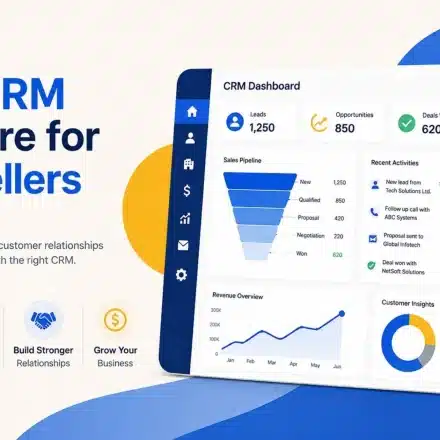
CRM, short for Customer Relationship Management, leverages technology to help businesses nurture and manage relationships with clients and leads effectively. It centralizes all customer data into a single platform, making it easier for businesses to track relationships, and deliver personalized service.

In 2025, CRM systems are generating a median return of $8.71 for every dollar spent. This demonstrates the significant financial impact and effectiveness of CRM software in 2025, highlighting how businesses can generate substantial returns (appstechsoft).
Read the blog—- What is a CRM System? A Complete Guide for Modern Businesses
Why VARs Can’t Rely on Generic CRM Systems?
A generic CRM is designed to serve a broad range of industries, offering basic features. While these systems are flexible, they often lack the specialized tools that Value-Added Resellers (VARs) need to manage complex operations.
For Value-Added Resellers (VARs), managing relationships isn’t straightforward. They’re not just selling to customers, they’re also working closely with manufacturers, distributors, and different partner networks. This involves managing many interconnected elements and a basic CRM can’t handle all that complexity.
That’s why VARs need tailored CRM solutions, tools designed to give them a clear view and better control over both their customer relationships and their partner channels.
Read the blog—–Cloud CRM vs On-Premise CRM – Which Suits for Your Company?
The Current Challenges in VAR Operations

1. Managing multiple B2B clients
Each B2B customer has unique buying patterns, budgets, and expectations. Handling these differences without a proper system can be overwhelming. It becomes challenging to give every client the attention and service they expect.
2. Inconsistent sales and service follow-ups
Without proper tracking, some leads or service requests may slip through the cracks. Missed follow-ups can lead to lost deals and unhappy customers. A consistent approach is essential to maintain strong client relationships.
3. Difficulty in tracking customer interactions
When customer calls, emails, and meetings are scattered across different platforms, it’s hard to see the full picture. This makes it tough to track where a deal stands or what the next step should be in the sales process.
4. Low visibility into historical sales
If past sales data and customer activity aren’t easily accessible, sales teams can’t learn from previous interactions. This lack of insight can prevent them from identifying patterns or opportunities for repeat business.
5. Challenges in personalizing offers
Customers want solutions that feel tailor-made for their needs. Without the right data, VARs may send generic offers that don’t connect. Over time, this can weaken trust and reduce customer loyalty.
CRM Features Critical for VARs
1. Contact & Account Management tailored for B2B clients
VARs handle clients where purchasing processes require input from multiple decision-makers across different business units. A CRM designed for B2B lets you store detailed information about each client, including their company structure, key contacts, and purchase history.
This helps you understand your client’s organization better and tailor your communication accordingly. You can also keep all past interactions in one place, so nothing gets lost.
2. Sales Pipeline & Opportunity Management
A CRM helps you visualize and track every stage of your sales process—from the first meeting to the final deal closure. You can easily see which opportunities are hot, which need more attention, and which are at risk. This ensures no potential deal slips through the cracks. By monitoring the pipeline, you can forecast revenue and plan resources more effectively.
3. Automated alerts for quote expiry
In the fast-moving VAR business, missing a quote deadline or not updating a client on order progress can cost you sales. CRM systems can send automated reminders for quotes about to expire or orders that have moved to the next stage. This keeps both your team and your customers informed, building trust and preventing delays.
4. Mobile access for field sales teams
Sales reps often work on the go, meeting clients or attending industry events. With mobile CRM access, they can check client details, update deal progress, or send quotes directly from their phone or tablet. This means they can respond to customer needs instantly without having to wait until they’re back in the office.
CRM Integration with Other VAR Tools
1. ERP Systems
Integrating CRM with ERP allows VARs to synchronize customer and order data across departments. Sales teams get real-time visibility into stock levels, pricing, and order status, while finance can instantly access accurate billing information. This reduces duplication of data entry, speeds up order fulfilment, and ensures smoother operational workflows.
2. Quoting Software
When CRM is linked to quoting software, sales reps can generate quotes directly from customer records with up-to-date distributor pricing. This integration eliminates manual data transfer, reduces pricing errors, and enables faster quote turnaround. It also ensures that all quotes are stored in the CRM for future reference and follow-ups.
Read the blog—-How CRM and CPQ Integration Enhances B2B Sales Efficiency?
3. Marketing Automation
Pairing CRM records with marketing automation software gives VARs the ability to run sharply targeted marketing efforts. Customer purchase history, preferences, and industry type can be used to send relevant product recommendations or promotional offers. This personalized approach boosts engagement, nurtures leads, and strengthens long-term relationships.
4. Ecommerce Platform
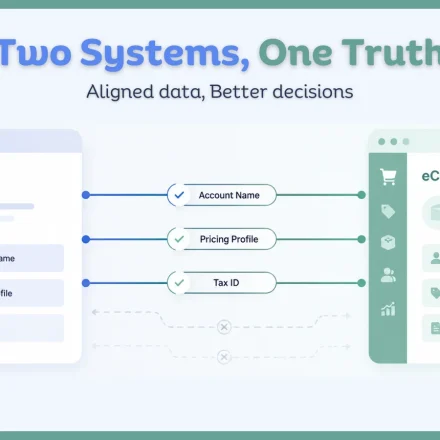
By integrating CRM with the VAR’s eCommerce platform, all online transactions and customer interactions flow into a single database. Sales teams can view purchase patterns, abandoned carts, and browsing history to anticipate needs. This centralized view fosters cross-selling opportunities, upselling potential, and proactive engagement.
5. Helpdesk/Support Systems
Connecting CRM with helpdesk software allows support teams to access a customer’s full purchase and interaction history. This speeds up issue resolution and ensures consistent communication. Customers benefit from quicker, more personalized service, while VARs improve satisfaction and loyalty scores.
CRM: More Than Just a Database
For VARs, CRM software isn’t just a glorified contact list. It’s a transformative tool that can transform your relationships with your customers. You can nurture the right leads, and convert more customers. CRM is a great tool for customer retention as well.
Here’s how CRM solutions can help you transform your business relationships.

1. Deep Customer Understanding:
Traditional VARs often operate in the dark, relying on limited customer data gleaned from purchase orders and emails. CRM empowers you to capture a 360-degree view of your customers.
Comprehensive customer data gives you a clear understanding of your customers’ requirements. Here is how you can utilize this information-
Build detailed customer profiles: Go beyond basic contact information to track purchase history, support interactions, and website behavior.
Identify trends and patterns: Analyze CRM data to understand the customers’ needs, preferences, and potential pain points.
2. Centralize Lead Tracking
Value-Added Resellers (VARs) often juggle leads from multiple vendors and industries. Without a central system, these leads can get lost in spreadsheets or emails.
A VAR-focused CRM brings all leads into one pipeline, making it easy for sales teams to sort, track, and act without switching between platforms. It also keeps a clear record of communication, source, and activity so everyone knows the lead’s origin, status, and next steps.
3. Lead Categorization through Key Variables
Not all leads are the same. By sorting them by factors like industry, product type, deal size, or partner program level, sales teams can focus on the most valuable opportunities. A CRM can tag these details when a lead is created or pull them from connected marketing tools.

- Industry – Helps reps have more relevant, industry-focused talks.
- Product Type – Matches leads with the right technical or vendor resources.
- Deal Size – Flags big opportunities for special pricing or extra support.
These categories also make it easier to see which segments bring in the most sales or recurring revenue.
Read the blog—–Lead Management in CRM: Turning Interest into Business Opportunities
4. Eliminate Lead Leakage
Missed follow-ups often happen due to delays, handoffs, or missed calendar alerts. Automated reminders, sent after inactivity or at key lead stages help prevent lead leakage
Whether it’s a dashboard alert, email, or auto-created task, the CRM keeps leads moving. Workflow rules can also alert managers if important leads stay untouched, allowing quick action and reassignment.
With automated workflows, you can instantly see how fast reps respond and who skips follow-ups, making it easier to fix issues and maintain consistent sales.
5. Personalized Customer Journey
CRM helps you create personalized marketing campaigns, customized product recommendations, and targeted support. Imagine sending birthday greetings with relevant product suggestions or offering timely technical assistance based on a customer’s past interactions. These personalized touches go a long way in building lasting relationships.
A few tips to ace personalization through CRM-
Automate personalized communication: Trigger email campaigns, send birthday greetings, and offer relevant product recommendations based on customer data.
Provide proactive support: Identify potential customer issues before they escalate. Offer proactive solutions through their preferred channel.
Streamline the eCommerce experience: Integrate CRM with your eCommerce platform for seamless order tracking, product recommendations, and personalized support.
6. Collaboration and Communication
CRM ensures collaboration between sales, marketing, and technical teams. Shared customer data and activity keep everyone on the same page for effective collaboration. From targeted marketing campaigns to proactive technical support, this collaborative approach delivers a unified customer experience.
Here is how you can gain customer trust and loyalty through internal collaboration using CRM-
Break down internal silos: Connect sales, marketing, and support teams within your VAR organization through a shared CRM platform.
Improve communication with clients: Provide a single point of contact for all customer interactions to maintain consistency and transparency.
Facilitate team collaboration: Work together on proposals, customer issues, and project management tasks within the CRM platform.
7. Performance Measures and Optimization
Data is the fuel of success, and CRM software provides the engine. By tracking key metrics, VARs can gain invaluable insights into their performance.
This data empowers them to fine-tune their strategies, optimize their sales funnel, and make data-driven decisions for future growth. Imagine identifying underperforming marketing campaigns and reallocating resources to more effective channels.
Here is how you can use CRM data-
Track key metrics:
Monitor customer acquisition costs, conversion rates, and customer lifetime value to understand the impact of your CRM efforts.
Identify areas for improvement: Analyze data to understand what’s working and what’s not, and make data-driven decisions to optimize your CRM strategy.
Demonstrate value to clients: Showcase the positive impact of your CRM-driven approach on their business by sharing relevant metrics and success stories.
8. Automation of Repetitive Tasks
VARs often find themselves bogged down by repetitive tasks like data entry and follow-up emails. CRM software automates these mundane processes, freeing up valuable time and resources for building relationships.
Imagine automated workflows that send personalized welcome emails to new customers or follow-up reminders for outstanding quotes. CRM takes care of the administrative burden, allowing VARs to focus on the human touch.
9. Automated Stage Progression
A CRM tailored for VARs can automatically advance leads through the sales process based on predefined triggers.
For instance, when a prospect downloads a whitepaper and requests a demo, the system can move it from “New Lead” to “Qualified” automatically. Similarly, integrating quote creation or purchase intent can trigger a shift to “Negotiation” or “Pending Vendor Approval.”
10. Lead Nurturing and Recurring Revenue
CRM isn’t just about closing deals; it’s about building long-term relationships. The software helps you identify upsell and cross-sell opportunities, ensuring your customers extract maximum value from your products. Proactive communication, and personalized recommendations can turn one-time buyers into loyal, recurring revenue generators.
CRM for eCommerce VARs: A Perfect Match
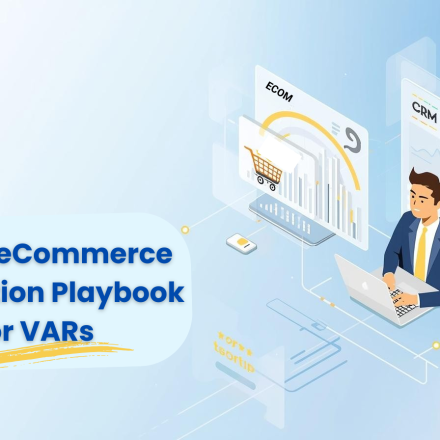
The integration of CRM and eCommerce platforms is a game-changer for VARs. CRM data provides valuable insights into browsing patterns, purchase triggers, and potential roadblocks of your customers.
This understanding of customer behavior allows you to act accordingly. You can optimize your online store, personalize product recommendations, and offer targeted promotions as per customer preferences. CRM integration helps in driving higher conversion rates and sales.
Best Practices for CRM Implementation in VARs
1. Customize CRM fields
Off-the-shelf CRMs often require adjustments to align with VAR operations. Tailor fields for B2B account structures, distributor contacts, quote stages, and multi-tier pricing. Designing workflows around your sales, quoting, and approval processes ensures the CRM becomes a seamless extension of your daily operations.