Table of Content
While CRM tools centralize customer data and interactions, CPQ software simplifies and automates quoting processes. Together, they form a powerful sales engine, one that not only streamlines workflows but also drives higher deal values and faster conversions.
CRM-CPQ integration can dramatically enhance quoting efficiency by streamlining workflows and reducing manual data entry.
Companies integrating CRM with CPQ saw a 49% boost in the number of proposals created, demonstrating how tightly coupling these systems drives quoting efficiency. (mobileforcesoftware)
Let’s break down how this integration empowers sales and marketing teams to work smarter and close faster.
What Is CRM?
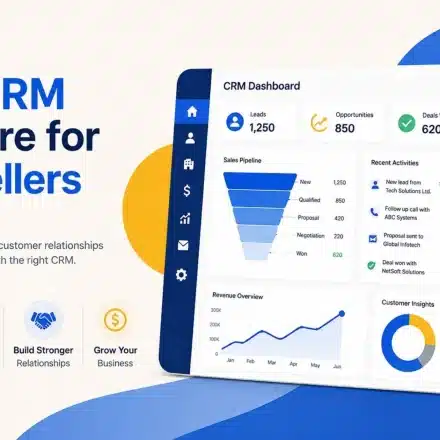
Customer Relationship Management (CRM) software is the central nervous system of customer-centric businesses. It captures and organizes critical customer data—from contact details and communication history to deal progression and buying behavior.
Whether you’re tracking new leads, managing long-term client relationships, or aligning your team around a single view of the customer, CRM software makes it possible. Its benefits span across:
- Lead and opportunity tracking
- Centralized customer data
- Better collaboration across teams
- Improved forecasting and reporting
- Enhanced customer support
From startups to enterprises, CRM solutions help businesses scale by making relationship management less manual and far more intelligent.
What Is CPQ?
CPQ stands for Configure, Price, Quote. This software helps sales teams generate accurate, on-brand proposals for complex, configurable products—faster and with fewer errors.
Instead of relying on outdated spreadsheets or manual pricing approvals, CPQ software enables reps to select product options, apply pricing rules, and generate customer-ready proposals in minutes. It can also handle:
- Bundled product pricing
- Real-time discount application
- Automated contract generation
- Approval workflows
- Dynamic pricing based on market trends
By automating these tasks, CPQ frees up time for sales teams to focus on value-driven conversations, ensuring a seamless customer experience from quote to close.
Read more on How CPQ Enhances B2B eCommerce Sales
The Power of CRM and CPQ Integration
CRM and CPQ aren’t just complementary—they’re better together.
When integrated, CRM supplies the customer context while CPQ translates that context into precise, personalized offers. Sales reps no longer need to toggle between systems or chase down customer details. Instead, they can access everything in one place—from deal history and preferences to real-time pricing.
Here’s how this integration transforms your sales process:

1. Centralized Customer and Product Data
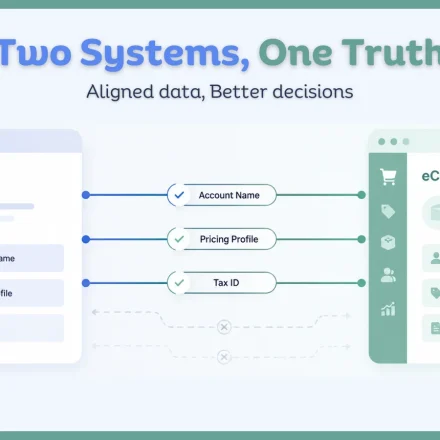
CRM-CPQ integration gives teams a 360-degree view of both the buyer and the solution being sold. Once a rep configures a product or bundle, the CPQ system automatically references CRM-stored preferences, pricing tiers, and historical buying behavior to generate quotes—no data duplication needed.
This reduces errors, accelerates output, and enhances consistency across every proposal.
2. Faster Sales Cycles
Quotes used to mean spreadsheets, emails, and delays. Now, CRM-CPQ integration turns quote generation into a one-click process. Proposals are created in real time, discounts are applied automatically, and approvals are routed instantly.
With shorter quote-to-close times, businesses can shorten the sales cycle and onboard new customers faster, creating a better overall customer experience.
3. Larger Deal Sizes Through Guided Selling
CPQ solutions with built-in AI can suggest relevant add-ons, upgrades, or bundles during the quote process—unlocking upsell and cross-sell opportunities. When guided by CRM data, these recommendations feel personalized, not pushy.
This strategy not only boosts the average deal size but also shows the customer that your team understands their needs, increasing trust and conversion.
4. Streamlined Internal Workflows
CRM and CPQ reduce the back-and-forth between departments by aligning everyone on a single workflow. Sales, finance, and legal teams can collaborate on quotes and proposals using shared templates, approval rules, and real-time data.
This reduces approval bottlenecks and ensures every customer touchpoint is on-brand and compliant.
5. Dynamic Pricing and Discount Control
Static pricing is no longer enough. Integrated CPQ software allows for dynamic pricing, adjusting costs in real time based on volume, region, competitor trends, or inventory levels. Discounting rules ensure that reps offer flexible pricing within approved margins, keeping deals competitive and profitable.
This creates a scalable pricing structure that grows with your business.
6. Fewer Errors, Lower Risk
Manual data entry is a breeding ground for costly mistakes. CPQ systems eliminate errors with automation and rule-based validations. When synced with CRM, customer-specific details like negotiated terms, contract history, and discount eligibility are automatically pulled into the quote.
The result? Accurate, professional proposals—delivered fast.
7. Better Opportunity Management
CRM tools are built to track every step of the sales journey, from first contact to signed contract. When integrated with CPQ, reps can instantly act on opportunity updates—generating quotes, applying discounts, or sending proposals based on where the customer is in the pipeline.