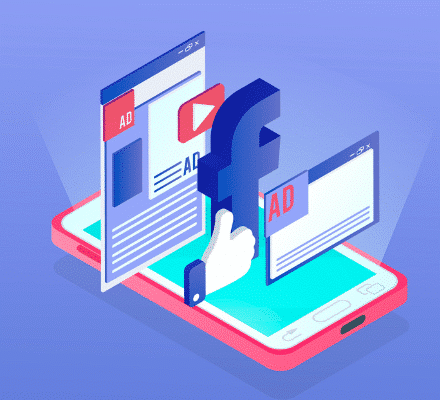

Facebook Advertising Best Practices for B2B Resellers
Table of Content
- 1. Understand Your Target Audience Before Launching Campaigns
- 2. Align Advertising with Your Business Process
- 3. Create Engaging Content Formats: Images, Videos, and Stories
- 4. Leverage Facebook’s Advanced Tools for Precision
- 5. Focus on Value-Driven Messaging
- 6. Test, Measure, and Improve Constantly
- 7. Case Example: B2B Reseller Success with Facebook Ads
- 8. Personalization and Automation for Scaling Campaigns
- Final Thoughts
- FAQs
At present, resellers face a constant challenge: how to stand out in front of the right customers. Traditional marketing methods no longer suffice when decision-makers rely heavily on social media platforms like Facebook for product research, peer recommendations, and vendor comparisons.
With over 3 billion monthly active users, Facebook is not just a space for personal updates; it’s a powerful computing platform that allows B2B resellers to refine their marketing strategy, showcase products, and build trust through targeted advertising campaigns.
This blog explores the Facebook advertising best practices for B2B resellers to maximize ROI, reach the right audience, and create a business process that fuels sustainable growth.
Key Takeaways:
- Facebook advertising reaches targeted audiences by using demographic, interest, and behavior filters.
- High-quality creative content increases ad relevance and engagement rates.
- Conversion tracking allows measurement of performance against business objectives.
- Optimized bidding strategies improve cost-efficiency across campaigns.
- Audience segmentation enables tailored messaging that resonates with specific buyer groups.

1. Understand Your Target Audience Before Launching Campaigns
Every successful advertising campaign starts with knowing the end user. In B2B, your target market is not individuals browsing casually, business buyers looking for value, service, and professional solutions.
- Use Facebook Audience Insights to understand industries, job roles, and company sizes.
- Segment audiences based on business needs, not just demographics.
- Remember that B2B buyers want learning, insights, and work-related solutions, not entertainment.
By identifying the right customer profile, resellers can design ads that speak directly to pain points and deliver value-driven proposals.
2. Align Advertising with Your Business Process
One of the biggest mistakes resellers make is treating Facebook as a B2C tool. Instead, align your ads with your sales process engineering:
- Align Facebook ads with various phases of the business journey: creating awareness, driving consideration, and guiding decision-making.
- Use web content like whitepapers, case studies, or service proposals to nurture leads.
- Retarget decision-makers who engage with previous documents or templates shared.
This structured approach ensures that ads don’t just create impressions but drive real business outcomes.

Pro Tip:
- Use pixel-based retargeting to remarket past visitors and increase conversion likelihood
3. Create Engaging Content Formats: Images, Videos, and Stories
In B2B advertising, creativity matters as much as data. Ads overloaded with text often struggle to grab attention in the fast-paced, scroll-heavy environment of social media.
- Use images that highlight products and services clearly.
- Share video case studies that demonstrate measurable results.
- Build social proof with testimonials from satisfied customers.
By using different formats, resellers can create an experience that resonates with buyers while boosting engagement.
4. Leverage Facebook’s Advanced Tools for Precision
Facebook’s tools go beyond simple targeting. Resellers can refine their marketing strategy using:
- Custom Audiences: Re-engage users who have previously visited your website or interacted with your ads.
- Lookalike Audiences: Find businesses similar to your best clients.
- Lead Ads: Collect data such as email and consent directly on Facebook, speeding up lead generation.
These tools streamline workflows, improve decision-making, and optimize the distribution of ad spend for maximum ROI.
5. Focus on Value-Driven Messaging
Unlike consumer ads, B2B advertising must appeal to logic, efficiency, and value. Buyers want to see:
- How your product or service solves real business problems.
- Cost efficiency, personalization, and scalability.
- Professional language with a clear proposal for long-term business relationships.
The more your ad speaks to value rather than flashy offers, the stronger your impact on the target market.
6. Test, Measure, and Improve Constantly
No advertising campaign is perfect from the start. Resellers must treat Facebook as a learning platform where insights refine future campaigns.
- A/B test ad designs, images, and videos.
- Monitor key metrics such as engagement, lead cost, and conversion rates.
- Use these insights to fine-tune both strategy and creativity.
This iterative approach ensures ads evolve with customer needs and changing distribution channels.
7. Case Example: B2B Reseller Success with Facebook Ads
A mid-sized IT reseller used Facebook advertising best practices to reach small manufacturing firms.
- Step 1: Identify the target market of procurement managers.
- Step 2: Design web content (templates + whitepapers) showcasing cost savings.
- Step 3: Use lead ads with automated follow-ups via CRM integration.
Result? An uptick in qualified leads and reduced sales cycles transformed Facebook into a revenue-driving tool that seamlessly fit into the company’s business process.
8. Personalization and Automation for Scaling Campaigns
Modern business personalization and automation help resellers deliver relevant ads without manual effort.
- Dynamic ads personalize product recommendations for different industries.
- Automated workflows ensure timely follow-ups with customers.
- Integrated CRM systems sync documents, consent forms, and proposals to create a seamless buyer experience.
This level of personalization builds trust and gives resellers a competitive edge.
Pro Tip:
- Test multiple creatives and audiences in small budget segments before scaling.
Final Thoughts
Facebook has transformed from a casual social media platform into a powerful business tool. By following these best practices, B2B resellers can align marketing strategy with their business process, use data-driven tools, and deliver high-value advertising campaigns that resonate with the target market.
In a space where competition is fierce, creativity, structured workflows, and customer-first messaging define success.
Click here for Meta Pixel (earlier known as Facebook Pixel) Implementation Guide.
Running effective Facebook ad campaigns is just one part of the equation for B2B resellers. To truly scale, VARs need a complete eCommerce and marketing ecosystem. VARStreet’s integrated platform not only connects you with 50+ distributors and a catalog of 7 million SKUs, but also offers built-in CRM, marketing automation, and analytics tools. These features help resellers execute data-driven campaigns, nurture leads, and maximize ROI on platforms like Facebook.
FAQs
Why should B2B resellers use Facebook for marketing?
Because Facebook is a powerful social media platform where resellers can connect with decision-makers, showcase their products, and build business-to-business relationships.
What are the best practices for Facebook advertising in B2B?
Key practices include targeting the right audience, creating professional web content, using engaging images and videos, and optimizing every advertising campaign for results.
How can resellers define their B2B target market on Facebook?
By using Facebook’s audience tools, resellers can target by industry, job role, company size, and business process needs.
Should B2B ads on Facebook focus on product or value?
Both. Highlighting product features while emphasizing value and customer experience helps convince the end user and decision-makers.
MSPs face challenges in quoting license bundles, recurring services, and renewals. Without automation, tracking these across client contracts becomes time-consuming and prone to errors.
What role does creativity play in Facebook advertising?
Creativity in design, images, and video makes ads stand out in a crowded social space, capturing attention while still aligning with the business strategy.
How do resellers measure success in Facebook campaigns?
By tracking KPIs such as engagement, leads, and conversions, and analyzing insights provided by the platform for better decision making.
Can Facebook advertising support the overall B2B sales process?
Yes. With personalized marketing strategies, targeted ads, and integrated services, Facebook helps nurture leads and streamline the sales process engineering.
How can Facebook ads be personalized for B2B customers?
By creating business personalization in messaging, using tailored proposals, and customizing content for different segments of the target market.
Are videos more effective than images in B2B Facebook ads?
Often yes. Video content allows more detailed storytelling about products, services, and value, though images work well for quick impact.
How do B2B resellers build long-term value with Facebook advertising?
By combining consistent best practices, data-driven strategy, and continuous learning to create advertising campaigns that align with brand goals and customer needs.
Tags:
Lead GenerationRahul Saini
Rahul Saini is a content strategist who uses writing as a tool for perspective, influence, and direction. He has built his craft around understanding how stories guide teams, shape culture, and drive meaningful business outcomes. Rahul works at the crossroads of strategy and storytelling, helping leaders articulate vision, refine ideas, and communicate with clarity and purpose. Known for his thoughtful leadership style and calm, structured approach, he turns complex themes into grounded insights that inspire action and support strong decision-making. His work combines creative thinking with strategic discipline and gives brands and leadership teams narratives that truly stand up. Editorial Policy
Read More