Table of Content
- What Is PunchOut in Simple Terms?
- How PunchOut Works in a VAR Workflow?
- Why PunchOut Matters for VARs?
- How PunchOut Fits into the Distributor Ecosystem?
- Vendor Portals and Their Role in Procurement
- Working with Cisco CCW as a Reference Example
- Rebate Programs and Incentive Management
- Building a Resilient Distributor Integration Strategy
- Common Challenges in Distributor Integrations and How to Overcome Them
- The Future of Distributor Integrations and Vendor Portals
- Case Example: A VAR Unlocking Efficiency with 50+ Distributor Integrations
- Conclusion and Next Steps
- FAQs
These buyers don’t want to jump between their software and your website. They expect your catalog to appear directly inside their procurement platform, complete with negotiated pricing, approved products, and seamless checkout. If you can’t offer that, you risk losing business to competitors who can.
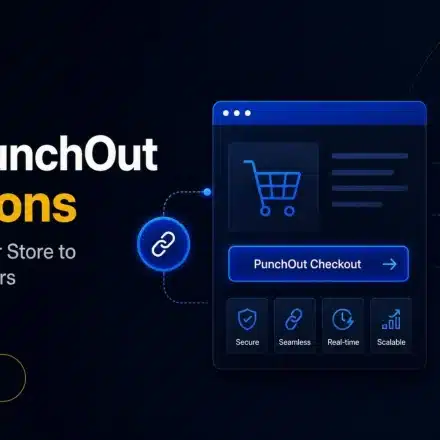
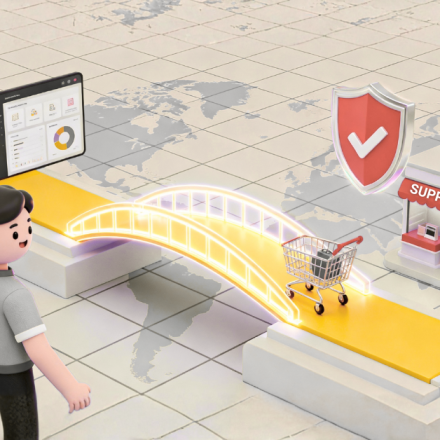
That’s where PunchOut comes in. It bridges the gap between your e-commerce store and your customers’ procurement systems, making buying from you as effortless as if your catalog were already built into their tools.
What Is PunchOut in Simple Terms?
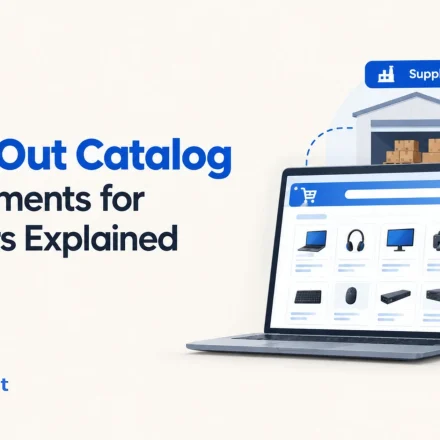
PunchOut is a type of eProcurement integration that lets your customers access your catalog directly from within their procurement software (like SAP Ariba, Coupa, Oracle, or Workday). Instead of browsing a static file or sending manual requests, they “punch out” of their system into your live catalog, without ever leaving their own environment.
Here’s the flow in practice:
- A buyer logs into their procurement platform.
- They click on your company’s name in the approved supplier list.
- Your live catalog opens inside their system, showing real-time pricing, stock, and contract terms.
- The buyer selects products and checks out.
- The order flows back into their system for approval and then directly to you for fulfillment.

For the buyer, it feels like shopping on your website without leaving their own software. For you, it means fewer errors, faster approvals, and stronger relationships with enterprise customers who demand seamless purchasing.
How PunchOut Works in a VAR Workflow?
The best way to understand the PunchOut catalog is to picture a typical transaction between a VAR and an enterprise customer.
Without PunchOut, the process is clunky. A buyer might download a static spreadsheet of SKUs, email you for updated pricing, and then re-enter that data into their procurement tool. Each step carries the risk of delays, mismatched data, or human error.
With PunchOut, the entire process runs inside the customer’s procurement platform. Your catalog updates flow automatically, pricing is accurate, and the purchase order is created without anyone re-typing line items.
Here’s how a PunchOut transaction usually works:
- The buyer logs into their company’s procurement system.
- They choose your company from the approved supplier list.
- A live session opens, pulling your VAR catalog into their platform.
- They add products to the cart, taking advantage of their negotiated pricing.
- Instead of placing the order immediately, the cart is sent back into their procurement system.
- The order is reviewed and approved internally.
- Once approved, the official purchase order is transmitted to you for fulfillment.
Read the blog—Why Is PunchOut Catalog Gaining Popularity In B2B Space?
With PunchOut vs Without PunchOut
This workflow is why PunchOut is no longer just a “nice to have” for VARs working with mid-to-large enterprises. It is increasingly a baseline requirement for doing business with customers who run strict procurement systems.

Why PunchOut Matters for VARs?
PunchOut is more than a technical feature. For a VAR, it can become the difference between winning and losing enterprise accounts. Customers who invest in procurement systems expect their suppliers to integrate. Meeting that expectation signals that you are ready to serve at scale.
Here are the benefits that stand out most for VARs:
1 Stronger Customer Retention
Enterprise buyers prefer to stick with suppliers who make their job easier. If your catalog is already inside their procurement tool, switching away from you means extra work. PunchOut integration makes your relationship “sticky.”
2 Real-Time Pricing and Stock Accuracy
Traditional static catalogs can quickly become outdated. PunchOut ensures that customers always see the correct pricing and inventory levels. This reduces disputes and builds trust in your reliability.
3 Faster Approvals and Shorter Sales Cycles
When orders are processed directly from the catalog to the procurement system, internal approvals are streamlined. Your quotes and orders move through customer workflows more efficiently, resulting in quicker deal closures.
4 Lower Administrative Overhead
PunchOut reduces the manual effort required for sending updated spreadsheets, responding to pricing checks, and resolving mismatched orders. That saves time for both your team and the customer’s procurement staff.
5 Access to Larger Accounts
Many large enterprises and government organizations will not even consider suppliers without PunchOut capability. Offering it positions your VAR business to compete for contracts that smaller resellers cannot handle.
6 Stronger Compliance and Audit Trails
Because transactions remain within the customer’s system, record-keeping and compliance reporting become automatic. This is especially valuable when working with government or regulated industries.
How PunchOut Fits into the Distributor Ecosystem?
For most VARs, distributors are the lifeline of procurement. You rely on them for real-time pricing, product availability, and order fulfillment. Integrating with distributors like Ingram, Tech Data, or Synnex ensures your catalog stays accurate and your quotes remain competitive.
PunchOut adds another layer to this ecosystem. Instead of just syncing distributor feeds into your own quoting or eCommerce platform, you extend that same accuracy directly into your customer’s procurement system. It connects the dots between distributor data, your VAR platform, and the buyer’s workflow.
Why Both Are Critical?
- Distributor integrations keep your catalog healthy. Without them, you risk outdated SKUs, mismatched prices, and backorders.
- PunchOut makes that catalog visible where buyers want to shop. It leverages the same data you already rely on and integrates it into enterprise procurement platforms.
- Together, they remove friction across the chain. Distributors feed you the right information, you package it through PunchOut, and the customer experiences a seamless transaction.
Example in Practice
Imagine a customer’s procurement officer browsing your PunchOut catalog. They see a laptop with the correct specs, real-time stock, and a negotiated price. What they do not see is the complex data sync that occurs behind the scenes: your distributor’s integration updates the catalog every few hours, your system aligns the data, and PunchOut delivers it instantly into their workflow.
Where VARStreet Fits
Platforms like VARStreet make this process easier by combining 50+ distributor integrations with PunchOut in a single solution. Instead of juggling different tools, VARs can manage pricing, stock, and catalogs from over 50 distributors while also delivering the same data seamlessly into buyer procurement systems through PunchOut. This not only saves time but also ensures accuracy throughout the entire supply chain, from distributor to end customer.
Vendor Portals and Their Role in Procurement
Distributor integrations and PunchOut handle a large share of a VAR’s daily operations. Still, vendor portals bring another important piece of the puzzle. If distributors are the supply engine, vendor portals are the control towers that manage special pricing, deal registrations, and rebates directly from the manufacturer.
What Vendor Portals Do?
Special Pricing Access
Large vendors, such as Cisco, Dell, or HP, often provide unique discounts or contract pricing to approved partners. Vendor portals are where VARs can view and claim these.
Deal Registrations
Many vendors require you to register opportunities through their portals. This prevents channel conflict and locks in your margin for specific deals.
Program Management
From rebate eligibility to partner certifications, vendor portals act as the central hub for program compliance.
Quoting Support
Portals like Cisco Commerce Workspace (CCW) allow you to build quotes directly with vendor-approved configurations and pricing.

Why VARs Cannot Ignore Them?
Distributor feeds keep you up to date, but they cannot always account for vendor-specific approvals. For example:
- A distributor catalog may show list pricing, but only the vendor portal reflects your approved discount.
- A PunchOut integration may streamline orders, but deal registration still requires going through the vendor portal first.
- Without mastering vendor portals, VARs risk leaving money on the table through unclaimed rebates or lost opportunities.
The VARStreet Angle
Instead of treating vendor portals and distributor integrations as separate silos, VARStreet helps unify both worlds. You can synchronize distributor catalogs while also managing vendor program data in one place. That way, when you push a catalog through PunchOut or prepare a quote, it already reflects the most accurate combination of distributor stock and vendor-approved pricing.
Working with Cisco CCW as a Reference Example
When talking about vendor portals, Cisco Commerce Workspace (CCW) is one of the best-known examples in the VAR ecosystem. For many resellers, Cisco products represent a significant part of their catalog, and CCW becomes a daily tool.
What CCW Brings to the Table?
- Quote Configurations: CCW lets resellers configure Cisco solutions in detail, from hardware components to service contracts.
- Special Pricing Requests: Partners can submit requests for discounts, which are then recorded in approved pricing records.
- Deal Registration: CCW ensures your deal is protected so other partners cannot undercut you.
- Program Alignment: It ties into Cisco’s partner program requirements, ensuring you remain compliant while earning benefits.
Why It Matters for VARs?
Without CCW, a VAR might only see a distributor’s base price and standard stock availability. With CCW, you gain access to:
- More competitive margins through special pricing.
- Protected opportunities that help secure revenue.
- Fewer disputes with distributors, since the portal clarifies what pricing was approved and why.
The Integration Angle
Platforms like VARStreet ensure that CCW data does not live in isolation. Instead of retyping information or juggling multiple systems, the CCW-approved quote can be synced with distributor feeds and pulled into your quoting tool. That creates:
- Accurate Quotes: Pricing is consistent with Cisco’s approval.
- Faster Turnaround: No back-and-forth emails or manual checks.
- Better Reporting: Rebates and special pricing are tracked more easily.
Rebate Programs and Incentive Management
Rebates are one of the least glamorous but most profitable aspects of VAR operations. They can make the difference between a thin-margin deal and a highly profitable one. The challenge is that rebates often get lost in the shuffle — buried in spreadsheets, overlooked in distributor emails, or delayed because of mismatched claims.
How Rebates Work for VARs?
- Volume-Based Rebates: Earned when you cross purchase thresholds set by the vendor.
- Product-Specific Incentives: An extra margin is offered for selling new launches or strategic SKUs.
- Program Rebates: Linked to vendor initiatives such as growth incentives or market penetration.
For VARs, the problem isn’t qualifying for rebates but capturing them consistently. Missing even a handful of claims in a year can result in significant revenue loss.
The Role of Integrations
When your distributor feeds and vendor portals are integrated with your quoting and procurement system, rebate capture becomes much more reliable. For example:
- Automatic Tracking: Every eligible product is tagged within the catalog.
- Claim Verification: Quotes tied to CCW or similar portals include rebate details.
- Consolidated Reporting: Instead of hunting across multiple systems, rebates are logged against customer orders inside a single dashboard.
Why This Matters?
- Protects Margins: Rebates often add 2–5% to margins on competitive deals.
- Ensures Timely Payouts: Claims are submitted on time, resulting in fewer disputes.
- Supports Smarter Pricing: Sales teams can price more aggressively, knowing rebates will restore profitability.
Bringing It Together with VARStreet
VARStreet streamlines rebate management by seamlessly integrating distributor data with vendor portal information. This ensures that the correct rebate opportunity is flagged at the quoting stage, tracked through fulfillment, and logged for reporting purposes. The result is fewer missed claims and healthier margins.
Building a Resilient Distributor Integration Strategy
It’s one thing to connect with a handful of distributors. It’s another to build an integration framework that stands strong even when the market shifts, a vendor portal changes its rules, or a distributor’s feed goes down. Resilience in distributor management is what keeps a VAR’s operations stable.
Breadth vs. Depth of Relationships
- Breadth: Having access to over 50 distributors ensures that if one supplier runs out of stock or adjusts its pricing, you have alternatives ready. This prevents customer disappointment and protects sales continuity.
- Depth: At the same time, it pays to cultivate deep relationships with preferred distributors for better credit terms, faster escalations, and priority access to deals.
A balanced strategy means you’re never over-reliant on a single partner. Still, you also don’t spread yourself so thin that you miss out on special pricing or rebate opportunities.
Multiple Integration Models
Different distributors offer different ways to integrate:
- EDI (Electronic Data Interchange): Traditional but reliable for structured order and invoice exchanges.
- API Connections: Faster, real-time updates for stock, pricing, and catalog sync.
- Flat File/Batch Uploads: Still used by some distributors, though less dynamic.
A resilient VAR does not force every distributor into one model. Instead, it adapts its platform to handle multiple input formats and standardizes the output for sales and quoting teams.
Dual Sourcing for Resilience
- Always map critical SKUs to at least two distributors.
- Ensure that quoting software highlights when a product is available from multiple sources.
- This prevents quoting delays and ensures you can maintain promised timelines to customers.
How VARStreet Strengthens Resilience?
VARStreet’s platform is designed for seamless integrations with multiple formats, including API, EDI, and file-based. By consolidating feeds from over 50 distributors into a single catalog, it enables VARs to build both depth and breadth in their sourcing, without juggling multiple systems.
Common Challenges in Distributor Integrations and How to Overcome Them
Even with the best technology, distributor integrations and vendor portals are not a plug-and-play story. VARs often encounter recurring obstacles that slow down quoting, increase manual work, or compromise customer trust. Addressing these challenges head-on is what separates an average VAR from one that operates efficiently and effectively.

1 Latency in Data Synchronization
- The issue: Stock or pricing data is sometimes delayed, resulting in outdated quotes or backorders.
- The fix: Select platforms that support real-time API integrations whenever possible. Build alerts into your system to flag when a feed has not updated on schedule.
2 Catalog Mismatches
- The issue: Product data may arrive incomplete (missing descriptions, specs, or images) or contain duplicate SKUs.
- The fix: Establish catalog hygiene routines — weekly audits, SKU deduplication tools, and supplier feedback loops to improve accuracy.
3 Portal Access Issues
- The issue: Vendor portals, such as Cisco CCW or Dell Premier, may require separate logins or manual data pulls, which can slow workflows.
- The fix: Integrate portals directly into your quoting system, so sales reps never have to step outside their workflow to fetch pricing or register deals.
4 Distributor-Specific Rules
- The issue: Each distributor may have unique requirements for order formatting, rebate claims, or approval processes.
- The fix: Utilize middleware or a platform that standardizes these rules into a single format, thereby reducing the training requirements for sales teams.
5 Missed Rebates and Credits
- The issue: Without proper tracking, rebate opportunities are easily lost in spreadsheets.
- The fix: Centralize rebate program tracking inside the same system that handles quoting and orders, so claims are never missed.
How VARStreet Helps Overcome Challenges?
VARStreet addresses these pain points by:
- Supporting real-time feeds for stock and pricing.
- Running automated catalog cleanup to maintain accuracy.
- Providing direct portal integrations for vendor programs.
- Normalizing distributor rules into a single quoting and ordering flow.
The result: fewer customer disputes, faster quoting, and stronger profit margins.
The Future of Distributor Integrations and Vendor Portals
The way VARs connect with distributors and vendors is evolving quickly. What used to be a manual process of exchanging spreadsheets or EDI files is now moving toward real-time, intelligent systems. Understanding where this space is headed helps VARs prepare their business for long-term competitiveness.
API-First Integrations
Distributors are increasingly moving away from flat-file and batch updates. API-first models enable instant updates to pricing, stock, and order status, thereby reducing errors and facilitating real-time quoting and order confirmation. For VARs, this means fewer customer disputes and a more predictable fulfillment cycle.
AI-Assisted Catalog Hygiene
One of the biggest headaches in managing 50+ distributor feeds is keeping the catalog clean. AI tools are already being used to:
- Detect duplicate SKUs across feeds
- Flag discontinued or mismatched items
- Fill gaps in product descriptions and specifications
By automating catalog hygiene, VARs can focus on selling rather than maintaining data integrity.
Smarter Vendor Portals
Vendor portals, such as Cisco CCW, Dell Premier, or Oracle’s procurement systems, are becoming increasingly self-service oriented. VARs can now register deals, apply special pricing, and track rebates without the need for lengthy back-and-forth emails. In the near future, we can expect portals to integrate more seamlessly with VAR platforms, allowing all workflows to remain centralized.
Rebate Automation and Analytics
Rebate programs will continue to be a major margin driver for VARs. The trend is moving toward automated rebate tracking tied directly to transactions, ensuring every eligible rebate is captured. Analytics will also help VARs understand which rebate programs are worth prioritizing.
Unified Platforms for VARs
The future clearly points to fewer disconnected tools. Platforms like VARStreet already combine CPQ, CRM, eCommerce, PunchOut, and distributor integrations. This single-pane-of-glass approach eliminates silos and ensures data consistency across quoting, ordering, and procurement.
Why This Matters for VARs?
- Faster quoting = higher win rates
- Accurate catalogs = stronger customer trust
- Automated rebates = higher profitability
- Centralized portals = reduced admin time
In short, the VAR of the future is not one that manually manages distributor feeds. It’s the one that masters integrations, embraces automation, and ties everything back to customer value.
Case Example: A VAR Unlocking Efficiency with 50+ Distributor Integrations
To see the difference integrations can make, let’s imagine a mid-sized VAR that sells IT hardware and software solutions to enterprise clients.
Before Integrations
- The sales team had to check stock across five different distributor portals manually before preparing a quote.
- Price mismatches were common. By the time a customer received a proposal, the listed item could already be out of stock or priced higher.
- Catalog data was inconsistent, with duplicate SKUs and missing product details, resulting in customer confusion and a loss of trust.
- Rebate programs were underutilized. The VAR was leaving thousands of dollars on the table simply because claims were missed or not tracked properly.
The result? Slow quoting, higher error rates, and shrinking margins.
After Adopting a 50+ Distributor Integration Platform
With a centralized platform connected to all distributor feeds, the workflow transformed:
- Real-time pricing and stock: Sales reps could see availability instantly while preparing a quote, eliminating the risk of offering products that were no longer in stock.
- Clean and reliable catalog: Duplicate SKUs were automatically flagged, discontinued items were removed, and rich content improved customer confidence.
- Streamlined quoting: Instead of taking hours, quotes were prepared in minutes with up-to-date distributor data.
- Rebate capture: Every transaction was automatically tracked against eligible rebate programs, ensuring no revenue was lost.
- Vendor portal sync: Special pricing and approvals from Cisco CCW and other portals were aligned directly with distributor feeds, reducing manual effort.
Business Impact
- Quoting speed improved by 70%, giving sales teams a competitive edge.
- Customer satisfaction scores increased, as quotes were more accurate and orders were fulfilled without unexpected delays.
- Profit margins increased, thanks to consistently tracking rebate programs.
- Sales reps spent less time on admin tasks, freeing them up to focus on building relationships and closing deals.
This example illustrates how procurement excellence through integrations can directly translate into higher revenue and stronger customer relationships for a VAR.
Conclusion and Next Steps
For VARs, distributor integrations and vendor portals are no longer optional add-ons. They are the backbone of modern procurement. With accurate catalogs, real-time stock and pricing information, rebate tracking, and mastery of the vendor portal, VARs can run leaner operations, close deals faster, and capture a higher margin.
The challenge is that managing dozens of distributors and multiple vendor portals manually is not sustainable. That’s why leading VARs turn to platforms that unify these workflows into one ecosystem.
VARStreet brings distributor integrations, PunchOut catalogs, CPQ, CRM, and eCommerce together. Instead of logging into multiple portals and juggling spreadsheets, your team works in a single environment that is accurate, resilient, and built for scale.
If procurement excellence is your goal, the next step is to determine how a platform like VARStreet aligns with your business.
Book a demo with VARStreet and explore how you can simplify distributor management, streamline vendor portals, and grow with confidence.