Reseller Catalog Management: The most Complex Aspect for VARs in the eCommerce Space

Table of Content
By 2029, the catalog management system market is forecasted to reach a valuation of USD 3.57 billion, marking a 6.0% compound annual growth rate over the 2025–2029 period (Research and Markets).
This indicates steady and growing demand for catalog management solutions, driven by businesses seeking efficient, scalable, and centralized product data management to support digital commerce.
Why Updated Product Data Matters?
With many resellers sourcing products from multiple distributors, managing product data efficiently becomes increasingly complex. It is crucial to maintain a high-quality product catalog that dynamically updates with real-time inventory levels and accurate pricing. This ensures that resellers always see the most up-to-date product information, reducing the risk of overselling and price mismatches.
Challenges in Managing eCommerce Catalogs
IT products constitutes a huge catalog
It is practically not possible to keep all these products updated. It can be an uphill task to list each version of a product (with multiple identifiers, with different ASIN, UPC, or part numbers). For this, you have to rely on the manufacturer or the distributor to provide you with the product content for all the products, it can get stressful.
Maintaining a standard format for the data
Each reseller works with a couple of manufacturers/distributors and each of them carries a lot of similar or same products. There is an additional challenge to standardize and categorize the information from all the distributors uniformly. A consistent format and language of the product information can help the customer easily comprehend and find the information they are looking for.
Duplicate Listings
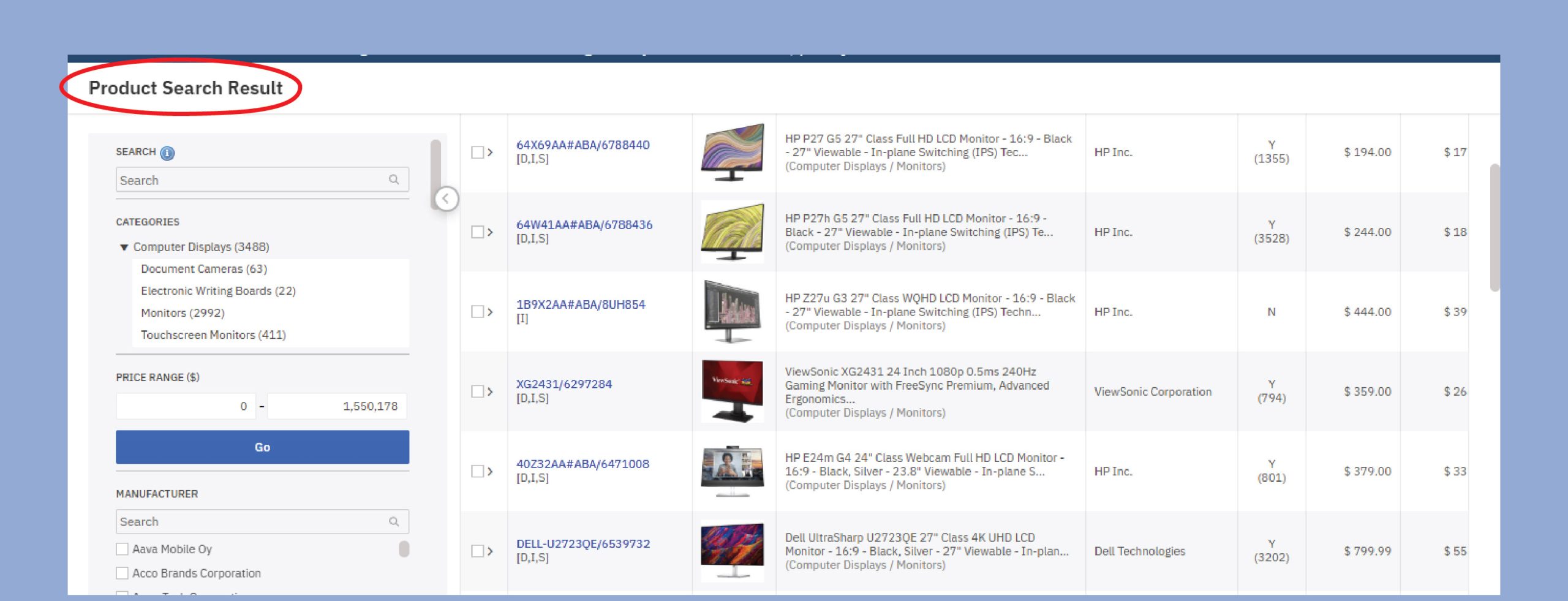
Duplicate listings are a common challenge in reseller catalog management, as the same product is often listed by multiple distributors under different SKUs, descriptions, or pricing. This can clutter the catalog, confuse buyers, and lead to inconsistent search results.
To address this, value-added resellers need a robust de-duplication mechanism that identifies identical products across sources and consolidates them into a single, unified listing.
Product Description
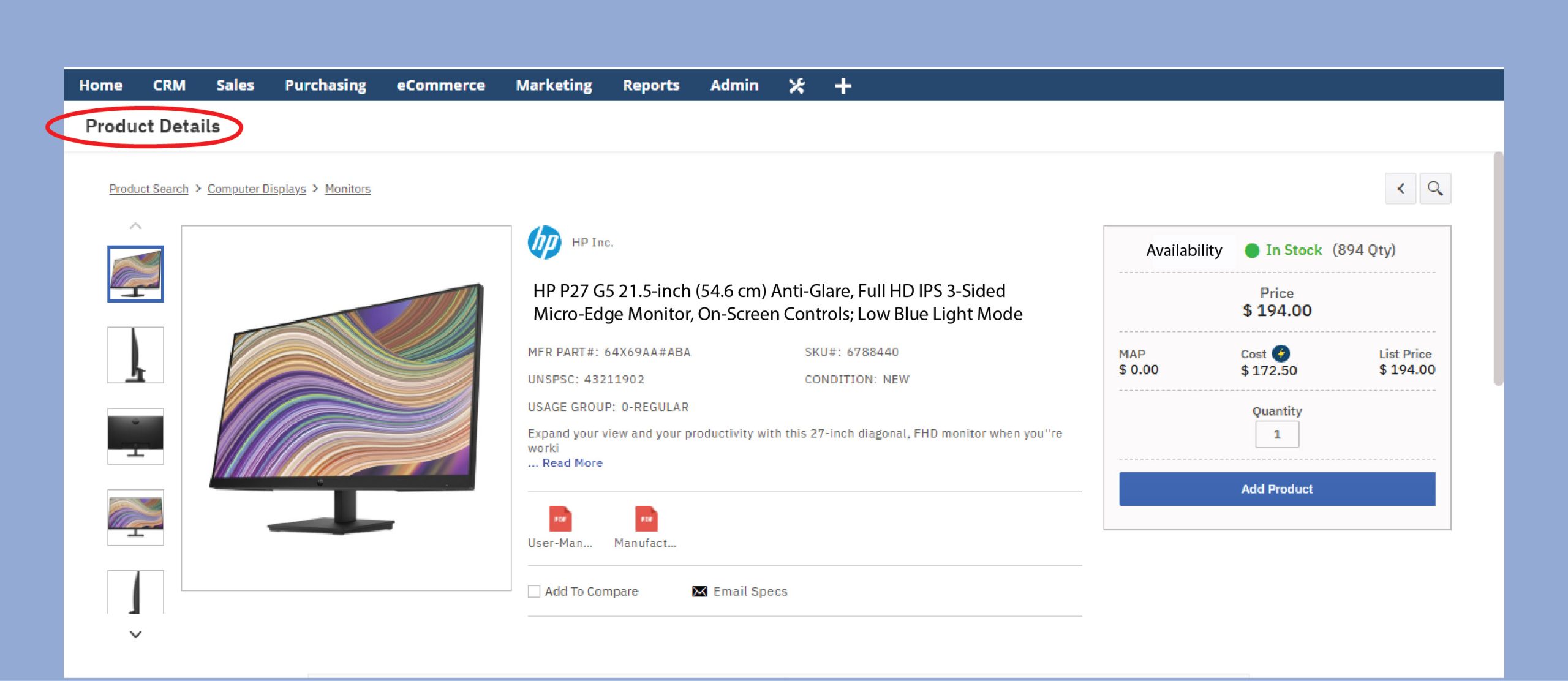
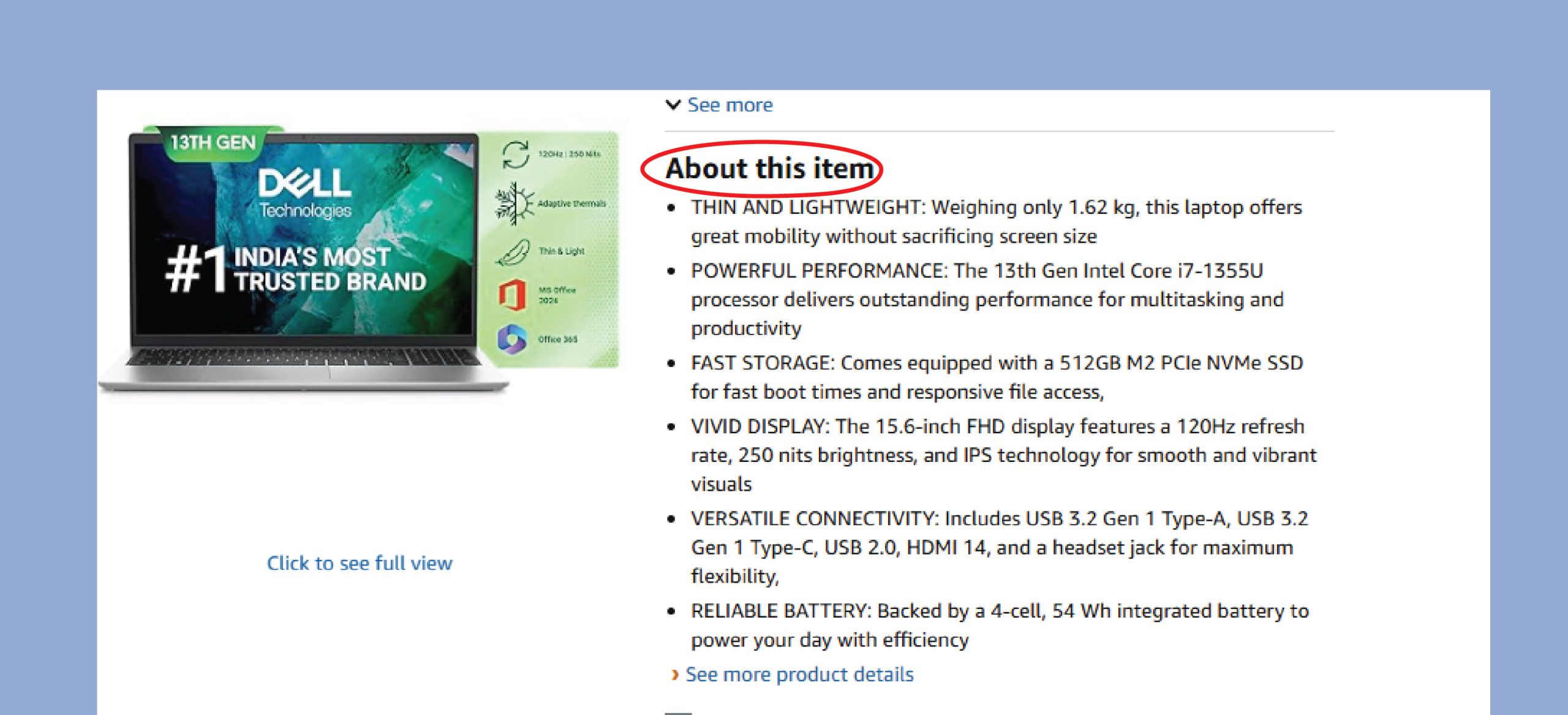
A good product description must be short, crisp and yet informative. You can include important specifications (including Technical specification) in bullets and bold italics which the buyers won’t miss out.
Changing inventory
You continuously need to update your catalog with accurate inventory counts (only products with inventory can be sold) and any wrong information here will lead to lost sales and revenues.
Constant price changes
There are high price fluctuations from a single distributor or multiple distributors. Also, there are discounts and promotions given by different distributors. Only through proper cataloging of the prices, you can ensure that the right price is provided to the right target customers.
Thin Margins
Margins are super thin and hence it is critical that you have the right information available to you at all times making e-commerce catalog management more difficult.
Optimizing product information
You need to optimize your product information in terms of its accuracy, uniqueness, and relevance. You must make sure that every product listing needs to be accurate and detailed so that it can help the buyer make an informed decision about their purchase.
Proper categorization of the products
You need to categorize your products wisely. It can’t be too vast or too narrow. If the categories are too vast, then the buyers will not be able to reach the exact product, and if the categories are too narrow, the buyers will not be able to explore new products. All your product tags and measurements must be consistent so that buyers can easily find what they are looking for.
Easy scalability
As your business expands, your catalog also needs to be expanded. You now have to manage newly introduced products along with the already existing ones. To add to this, new channels and digital touchpoints are growing all the time and hence a centralized place to store all the data gets more challenging.
High Obsolescence Rate
In the IT industry, the rate of obsolescence is exceptionally high. Newer products are launched every second which accordingly needs to be added to the catalog. Discontinued items on the other hand need to be moved out of the catalog.
On-boarding new products and Off-boarding obsolete products in such a fast paced environment can create additional pressure as well. So it’s extremely critical to have the right online product catalog software in place so as to ensure that your product offering is always up to date on your ecommerce store.
Rich content
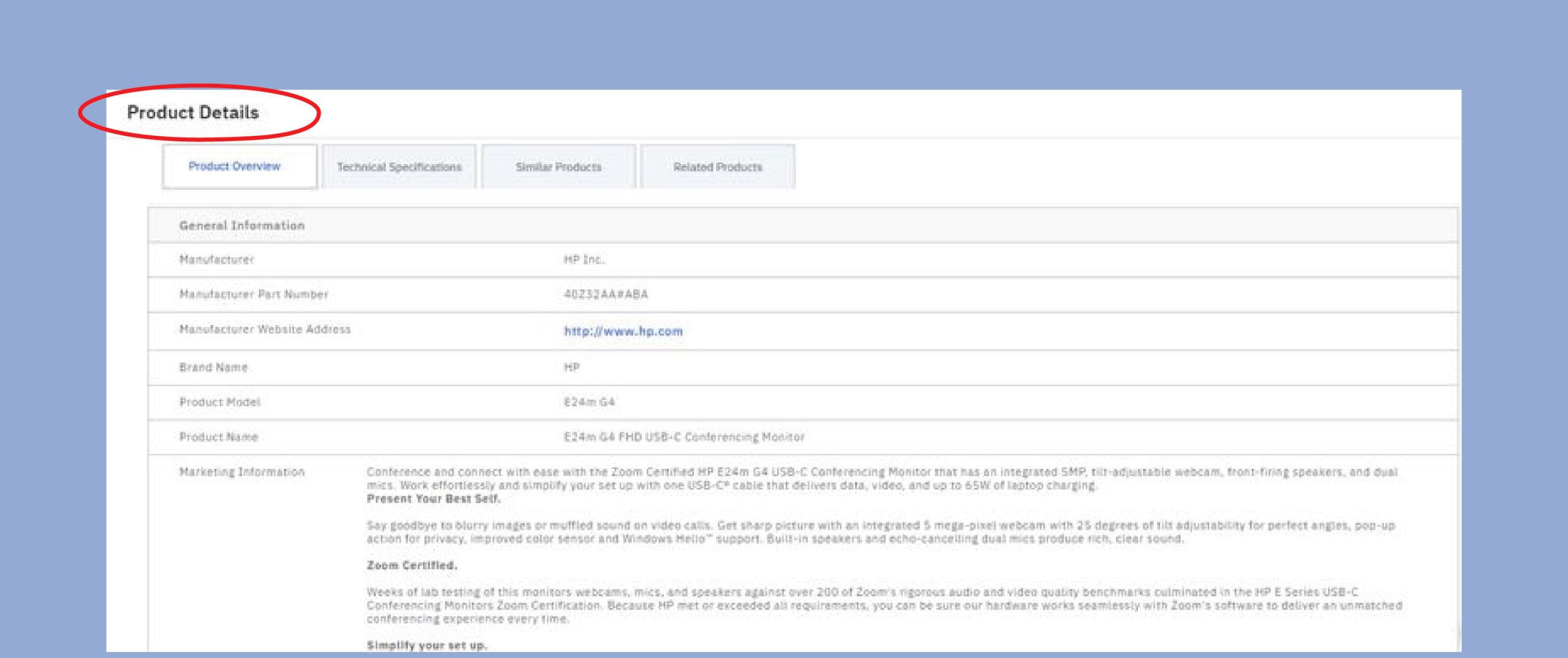
- Rich content is nothing but an enhanced product description with images, vidoes, technical specifications, comparison charts etc.
- Creating richer, appealing, and super enticing product descriptions will help you sell, expand and grow your business.
- Now most of the distributors or manufacturers do not provide you with rich content of the products.
- Receiving such high quality product content( in the form of graphics, videos, audios, product images, specifications etc) from specialized companies (like Icecat, Etilize, etc) can certainly be a powerful asset for any business.
Complex Pricing Rules
VARs need to set pricing rules that work for products coming from different distributors. This means they have to decide how much profit to add (markup), how to handle shipping charges, and how to make sure they’re still making a good profit (margin) after all costs are covered.
Since each distributor may offer different prices and shipping rates, creating a fair and consistent pricing structure across the entire catalog can be tricky and needs careful planning.
VARStreet’s Aggregated Catalog – Solving the Complexity
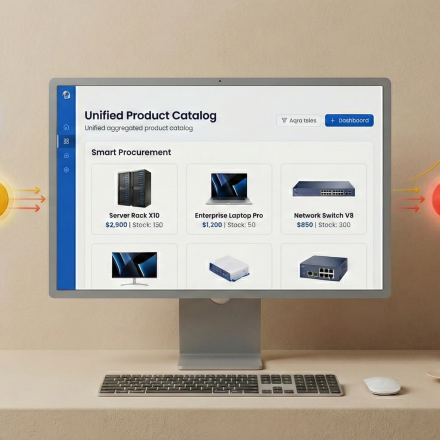
- It is a multi-vendor catalog solution that offers more than 7 million SKUs and seamlessly integrates with 50+ leading IT and office supply distributors.
- Provides an intuitive UI to manage your unified catalog, apply pricing rules, and curate content.
- Sources data from Etilize and Icecat to enhance product content and specifications.
- Syncs automatically with VARStreet’s CPQ, eCommerce, and procurement modules
Aggregated Catalog provides Customization and Control for VARs
Tailored Catalogs for Different Buyers
Multiple customized catalogs can be created to serve distinct market needs, be it by industry, buyer profile, or negotiated contracts. For example, you might build one catalog for corporate IT departments and another for government agencies each showing only the most relevant products they typically need. This helps streamline their buying experience and makes your store more personalized.

Control Who Sees What
You can set rules to control who sees what, allowing specific products or pricing to be shown only to selected customers, such as contract buyers or high-volume clients. This means high-volume buyers can get access to exclusive pricing or product bundles, while new or one-time customers only see standard pricing. This level of control ensures you’re showing the right information to the right audience.
Set Smart Selling Rules
You can define automated business rules to decide how products are displayed, priced, and sourced. For instance, you can instruct the system to always show products from Distributor A first, and switch to Distributor B only if the item is out of stock. You can also set pricing margins, shipping preferences, and availability filters based on your business strategy.
VARStreet Aggregated Catalog: Your Top FAQs Answered!
Why Aggregated Catalogs are Critical for eCommerce Success?
Maximum Product Coverage
An aggregated catalog allows resellers to showcase thousands of products from different distributors without keeping anything in stock. This gives customers a wide variety of options to choose from and supports business models like dropshipping, where orders are fulfilled directly by the distributor.
Better User Experience
With an aggregated catalog, resellers can avoid the back-and-forth between multiple distributor sites. All essential product information is organized in one place for easier browsing and comparison. An aggregated catalog brings all distributor products into one organized catalog, making it easy for resellers to search, compare, and purchase from a single location.
Faster Time-to-Quote
When connected with sales quoting software, aggregated catalogs help sales teams quickly find the right product, check availability, apply pricing rules, and generate accurate quotes in minutes, saving time and speeding up the sales cycle.
Competitive Edge
By pulling data from multiple distributors, VARs can always offer the best price, fastest shipping, or highest availability. This flexibility gives resellers an advantage over competitors who rely on just one or two suppliers.
Read the blog— Boosting Sales Through Aggregated Catalog: A Comprehensive Overview